Introduction
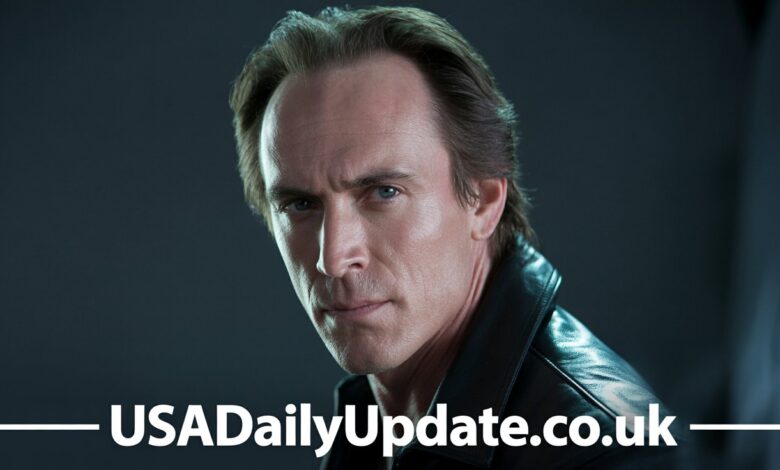
Have you ever watched a movie and been completely captivated by the villain? That feeling of genuine unease mixed with fascination is exactly what Peter Greene delivers in every role. This character actor carved out a remarkable niche in Hollywood by becoming one of the most convincing and intimidating on-screen presences of the 1990s and early 2000s.
Peter Greene might not be a household name like some leading men, but his face is instantly recognizable to film enthusiasts. His intense stare, physical presence, and ability to embody menace made him the go-to actor for memorable antagonist roles. When directors needed someone who could genuinely unsettle audiences, they called Greene.
In this comprehensive look at Peter Greene’s career, you’ll discover how this talented actor built his reputation playing unforgettable villains. We’ll explore his most iconic performances, his acting technique, and why he became such a sought-after character actor. You’ll also learn about his life beyond the screen, the challenges he faced, and his lasting impact on cinema. Whether you remember him from The Mask, Pulp Fiction, or The Usual Suspects, this deep dive will give you newfound appreciation for one of Hollywood’s most underrated talents.
Early Life and Path to Acting
Peter Greene was born on October 8, 1965, in Montclair, New Jersey. Growing up in the suburban landscape of New Jersey, he developed an early interest in performance and storytelling. His upbringing in this environment would later inform the gritty, authentic quality he brought to his roles.
Before finding his way to acting, Greene explored various paths and life experiences. These formative years gave him the raw material he would later channel into his performances. The authenticity you see in his characters stems partly from genuine life experience rather than pure imagination.
Greene pursued acting training in New York City, immersing himself in the craft. The city’s theater scene provided crucial early opportunities to develop his skills. Working in theater taught him discipline, character development, and how to command attention on stage. These foundational skills would prove essential when transitioning to film work.
His early career consisted of small roles and incremental progress typical of character actors. Unlike overnight sensations, Greene built his career through persistence and consistently strong work. Each small role added to his experience and reputation within the industry. By the early 1990s, he was positioned for breakthrough opportunities that would define his career.
Breakthrough Roles That Defined His Career
The early to mid 1990s marked Peter Greene’s emergence as a distinctive screen presence. Several high profile films showcased his talent for playing complex, threatening characters. These roles weren’t just villains; they were fully realized human beings with depth and unpredictability.
The Mask (1994): Dorian Tyrell
Greene’s portrayal of Dorian Tyrell in The Mask opposite Jim Carrey brought him mainstream recognition. As the sophisticated yet brutal crime boss, he provided the perfect counterbalance to Carrey’s manic energy. The role required someone who could be genuinely threatening while not overshadowing the film’s comedic tone.
What made Greene’s performance memorable was his stillness and control. While Carrey bounced off walls, Greene remained centered and dangerous. This contrast heightened the stakes and made Dorian Tyrell feel like a real threat. You genuinely feared for the protagonist because Greene made you believe this character was capable of anything.
The physical transformation Greene underwent for the role added another layer. His lean, sharp features and intense gaze created an almost predatory presence. When Dorian Tyrell entered a scene, the energy shifted. This ability to alter a scene’s atmosphere became a Greene trademark.
Pulp Fiction (1994): Zed
In Quentin Tarantino’s masterpiece Pulp Fiction, Greene played Zed, the pawnshop security guard involved in one of cinema’s most disturbing sequences. Though his screen time was limited, the impact was enormous. This role demonstrated Greene’s willingness to take on challenging, uncomfortable material.
The basement scene remains one of the film’s most discussed moments, and Greene’s performance is crucial to its effectiveness. He brought an unsettling ordinariness to an extraordinary situation. This wasn’t a cartoonish villain but someone who felt disturbingly real and possible.
Working with Tarantino exposed Greene to a director who understood how to use character actors effectively. The role, though small, became iconic within the film’s narrative. People who’ve seen Pulp Fiction once remember Zed, testament to Greene’s powerful screen presence.
Clean, Shaven (1993): Peter Winter
Perhaps Greene’s most challenging and acclaimed role came in Lodge Kerrigan’s indie drama Clean, Shaven. He played Peter Winter, a schizophrenic man searching for his daughter after release from a mental institution. This performance showcased range far beyond typical villain roles.
The film required Greene to portray mental illness with sensitivity and authenticity. His performance was raw, vulnerable, and deeply human. Critics praised his willingness to fully commit to such a difficult character. This role proved Greene could handle leading man responsibilities and complex dramatic material.
Clean, Shaven remains a cult classic among cinephiles who appreciate bold, unflinching cinema. Greene’s performance anchors the entire film, carrying scenes with minimal dialogue through pure physical acting. The role demonstrated that beneath the intimidating exterior was an actor of considerable depth and skill.
The Peter Greene Acting Method
What separates Peter Greene from other character actors is his distinctive approach to building characters. His performances feel lived in and authentic rather than performed. This quality comes from specific techniques and preparation methods he employs.
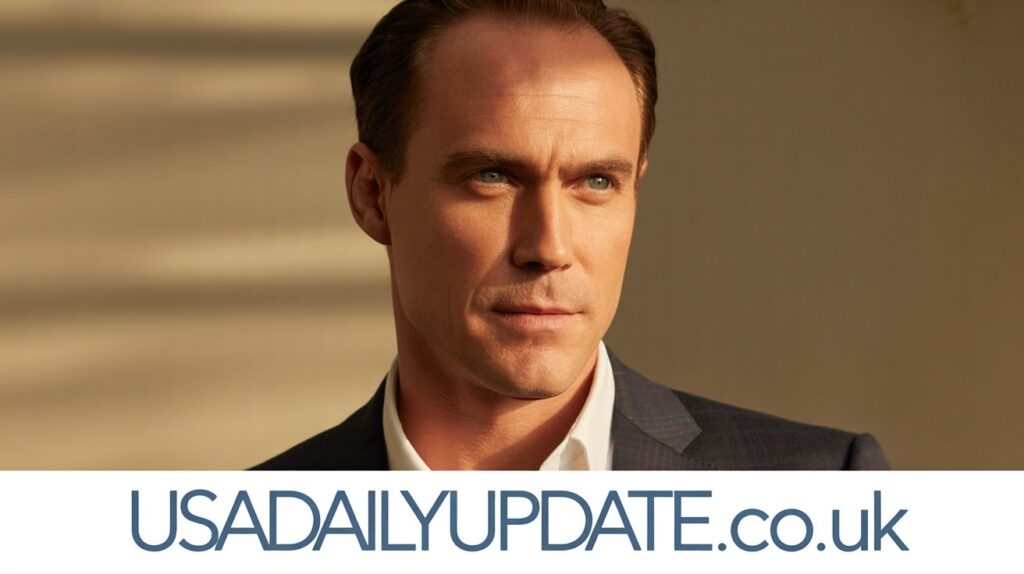
Greene’s physicality plays a crucial role in his characterizations. He uses his body language, posture, and movement to communicate volumes before speaking a word. Watch any of his performances and notice how he occupies space. There’s a deliberate quality to his movements that suggests danger or unpredictability.
His eyes are perhaps his most powerful tool as an actor. Greene developed the ability to convey threat, intelligence, or instability through eye contact alone. Directors recognized this quality and frequently featured close-ups of Greene’s intense stare. This technique creates intimacy with the audience while maintaining character distance.
Voice modulation adds another dimension to his performances. Greene adjusts his vocal tone, pace, and inflection to match each character’s psychology. Sometimes he speaks softly, forcing audiences to lean in and pay attention. Other times he explodes with volume, creating jarring moments that heighten tension.
Preparation for roles involved deep character work beyond what scripts provided. Greene developed backstories, motivations, and psychological profiles for his characters. This preparation meant he understood his characters’ every choice and reaction. Even small roles received this thorough treatment, explaining why minor Greene appearances remain memorable.
Most Memorable Performances Beyond the Big Three
While The Mask, Pulp Fiction, and Clean, Shaven represent Greene’s most famous work, his filmography contains numerous other noteworthy performances. These roles further demonstrate his versatility and commitment to character work.
The Usual Suspects (1995): Redfoot
In Bryan Singer’s twisting crime thriller, Greene played Redfoot, a fence who connects the main characters with a fateful job. Though appearing briefly, he made a strong impression with his distinctive appearance and manner. The role required someone who could believably operate in the criminal underworld Singer created.
Greene brought authenticity to a role that could have been forgettable in lesser hands. His scenes crackle with energy and tension, adding to the film’s overall atmosphere. Working alongside actors like Kevin Spacey and Gabriel Byrne, Greene held his own and contributed to an ensemble that worked perfectly.
Judgment Night (1993): Fallon
This thriller cast Greene as Fallon, one of several criminals pursuing the protagonists through Chicago. The film allowed him to showcase physical acting and menace in an action context. His pursuit of the heroes created genuine suspense throughout the film.
Under Siege 2: Dark Territory (1995): Mercenary
Greene appeared in this Steven Seagal action sequel as one of the terrorists. While not a starring role, he brought his signature intensity to the part. Action films benefited from character actors like Greene who treated even small villain roles seriously.
Training Day (2001): Miscellaneous Role
Appearing in Denzel Washington’s Oscar winning film, Greene contributed to the gritty LA underworld atmosphere. Every actor in Training Day understood the assignment of creating a believable criminal ecosystem. Greene’s participation, however brief, added authenticity to that world.
Working with Notable Directors and Actors
Throughout his career, Peter Greene collaborated with some of cinema’s most respected directors and actors. These partnerships resulted in memorable work and demonstrated the respect he earned within the industry. Directors who valued strong character work sought Greene specifically.
Working with Quentin Tarantino on Pulp Fiction connected Greene to one of the era’s most influential filmmakers. Tarantino’s reputation for assembling perfect casts meant appearing in his films carried prestige. The experience also exposed Greene to Tarantino’s unique directing style and collaborative approach.
Chuck Russell directed Greene in The Mask, managing the delicate balance between comedy and threat. Russell trusted Greene to provide genuine menace without tipping into camp. This trust allowed Greene to craft a villain who felt dangerous despite the film’s lighthearted tone.
Lodge Kerrigan gave Greene his most challenging role in Clean, Shaven. The director’s commitment to unflinching realism pushed Greene to deliver his most vulnerable performance. This collaboration showed what Greene could accomplish with a director who believed in his dramatic abilities.
Acting opposite Jim Carrey required specific skills that Greene possessed naturally. While Carrey dominated scenes with explosive energy, Greene provided grounded reality. This dynamic created tension that served the story. Their scenes together in The Mask demonstrate two different acting styles complementing each other perfectly.
The Challenges of Being Typecast
Playing villains and criminals so effectively created both opportunities and limitations for Peter Greene. The very qualities that made him perfect for antagonist roles potentially prevented casting in other types of characters. This typecasting represents a common challenge for character actors who excel at specific roles.
Greene’s physical appearance and intensity naturally suited him for tough guy roles. Casting directors saw him and immediately thought “criminal” or “threat.” While this meant consistent work in those areas, it limited opportunities to show other facets of his talent. Breaking out of typecasting requires roles that actively work against established perceptions.
The actor has spoken about wanting to play different types of characters beyond villains. Like many character actors, he possessed range that went unexplored due to industry categorization. Clean, Shaven proved he could handle sensitive, sympathetic material when given the chance. Unfortunately, such opportunities came less frequently than villain roles.
Financial realities also influenced his career choices. Character actors need to work consistently, sometimes accepting roles that reinforce typecasting simply to pay bills. Turning down work to wait for diverse roles isn’t always feasible. This practical consideration affects many talented actors whose faces become associated with specific character types.
Despite these limitations, Greene built a successful career by excelling at what he did best. Rather than fighting his natural casting, he became the best version of that actor type. This professionalism and consistency kept him employed throughout his most active period. Sometimes accepting your niche and mastering it beats struggling against industry perception.
Personal Life and Challenges
Beyond his professional achievements, Peter Greene faced personal struggles that affected his career trajectory. Understanding these challenges provides context for gaps in his filmography and appreciation for his resilience.
Greene has been open about struggles with substance abuse that impacted his life and career. Like many in the entertainment industry, he dealt with pressures and temptations that led to destructive patterns. These issues affected his reliability and availability for work during certain periods.
The actor took time away from Hollywood to address his personal problems. This break from the spotlight was necessary for his health and wellbeing. While it meant missing potential career opportunities, prioritizing recovery demonstrated maturity and self awareness. Getting healthy mattered more than any role.
His return to work after addressing these issues showed personal strength and professional resilience. The industry can be unforgiving to actors who step away, even for legitimate reasons. Greene managed to find his way back, albeit in a reduced capacity compared to his peak years.
Family and personal relationships provided support during difficult times. While Greene maintains relative privacy about his personal life, he’s acknowledged the importance of support systems. Recovery and stability require more than individual willpower; they need community and connection.
Later Career and Recent Work
Peter Greene’s output decreased significantly after the early 2000s compared to his prolific 1990s period. This shift reflected both personal choices and industry changes. Understanding his later career provides a complete picture of his professional journey.
The types of roles available to character actors evolved as the industry changed. Streaming services and different content consumption patterns altered what got produced and how actors were cast. Greene’s particular brand of intensity fit the 1990s aesthetic perfectly but found less consistent demand later.
He appeared in smaller independent productions and occasional television roles during this period. These projects might not have carried the prestige of his earlier films, but they allowed him to continue practicing his craft. Working actors often piece together careers from various sources rather than relying on major studio films alone.
Some actors of Greene’s generation found new opportunities in television’s golden age. Shows needed talented character actors for recurring or guest roles. While Greene didn’t become a television regular, he made selective appearances that utilized his talents.
The gap in his filmography also reflects personal choices about work life balance. After years of intense activity and personal struggles, some actors reassess priorities. Greene may have deliberately chosen a slower pace that allowed for other aspects of life beyond constant work.
Impact on 1990s Cinema
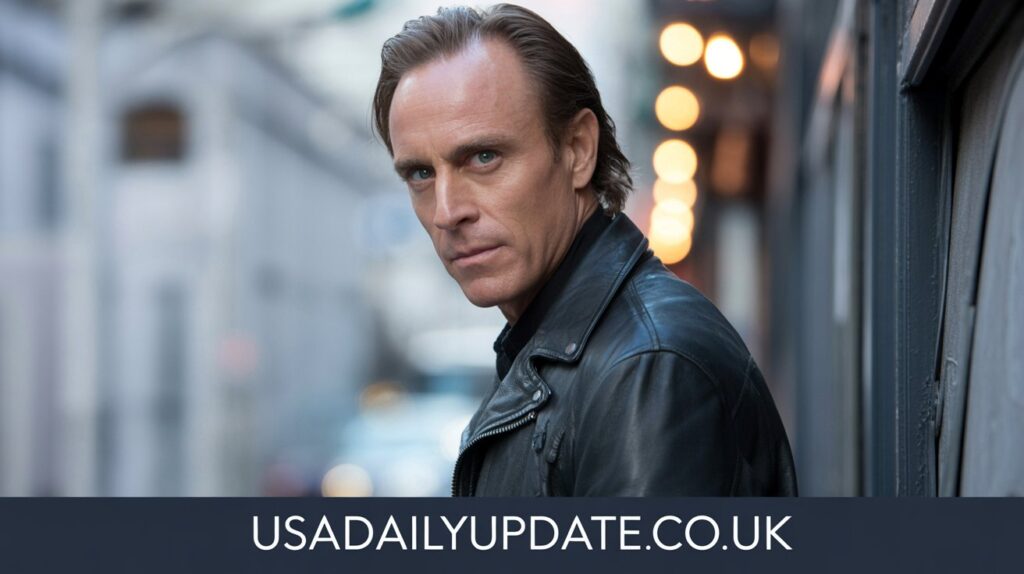
Peter Greene represents a specific type of character actor that defined 1990s cinema. His work contributed to the decade’s gritty, realistic approach to genre filmmaking. Understanding his impact helps appreciate the era’s distinctive aesthetic and storytelling approaches.
The 1990s saw a shift toward more complex, realistic portrayals of criminals and antagonists. Gone were many of the cartoonish villains of previous decades. Greene embodied this new approach, bringing psychological complexity to bad guys. His characters felt like people who made terrible choices rather than pure evil incarnate.
Independent cinema thrived during this period, creating opportunities for character actors like Greene. Films like Clean, Shaven could get made and find audiences through film festivals and art house theaters. This ecosystem supported work that mainstream studios might not finance. Greene benefited from and contributed to this vibrant indie scene.
His collaborations with emerging directors of the era connected him to important filmmaking movements. Tarantino, Singer, and others were redefining genre conventions. Greene’s participation in their projects made him part of cinema history. These films remain studied and celebrated decades later.
The authenticity Greene brought to roles influenced how other actors approached similar characters. His naturalistic style within genre contexts provided a template for realistic villainy. You can trace his influence through subsequent character actors who adopted similar approaches to antagonist roles.
Why Peter Greene Deserves More Recognition
Despite memorable performances in significant films, Peter Greene remains underappreciated compared to his contributions. Several factors explain this lack of wider recognition, but his work merits greater acknowledgment from film enthusiasts and critics.
Character actors rarely receive the same attention as leading players regardless of their skill. The industry focuses on stars who open movies rather than supporting players who make movies work. This systemic bias means talented actors like Greene labor in relative obscurity despite essential contributions.
Greene never pursued the self promotion and publicity that builds celebrity profiles. He let his work speak for itself rather than cultivating a public persona. While admirable, this approach limits recognition in an industry where visibility matters. Actors who engage with media and maintain public profiles receive more attention.
The specific roles he played, while memorable, weren’t the types that generate awards consideration. Oscars rarely go to character actors in villain roles no matter how brilliant the work. Awards attention drives recognition, so actors excluded from that process remain less celebrated.
Film communities and critics who focus on character actors do recognize Greene’s contributions. Among those who pay attention to supporting performances and character work, he has strong reputation. This niche appreciation exists even if mainstream recognition doesn’t.
His best work appears in films that remain popular and frequently rewatched. New generations discovering The Mask or Pulp Fiction encounter Greene’s performances. This ongoing exposure ensures his work continues finding audiences even if his name doesn’t achieve household recognition.
Lessons from Peter Greene’s Career
Examining Peter Greene’s professional journey offers valuable insights for aspiring actors and film enthusiasts. His career demonstrates both possibilities and challenges within the entertainment industry. These lessons apply beyond acting to any creative profession.
Specialization can be powerful when mastered completely. Greene found his niche and became excellent at specific types of roles. Rather than being merely adequate at everything, he achieved mastery in his area. This focused excellence created consistent demand for his services during his peak period.
Authenticity matters more than artifice in creating memorable performances. Greene’s best work feels real and grounded even in heightened circumstances. Audiences respond to truthful portrayals that connect emotionally. Technical skill matters, but genuine connection separates good acting from great acting.
Personal challenges don’t have to end careers if addressed honestly. Greene’s openness about his struggles and commitment to recovery demonstrate resilience. Many talented people face similar issues; how they respond determines whether they continue working. Seeking help and prioritizing health allows for potential comebacks.
Building a career requires patience and persistence rather than overnight success. Greene worked for years before breaking through to bigger opportunities. The overnight success story is mostly myth; most successful actors paid dues extensively. Consistent work and gradual improvement create sustainable careers.
Sometimes the most impactful work comes in small packages. Greene’s brief appearance in Pulp Fiction made enormous impact despite limited screen time. Quality matters more than quantity when it comes to memorable performances. A few minutes of brilliant work can outweigh hours of mediocre footage.
Where to Watch Peter Greene’s Best Work
For those wanting to explore or revisit Peter Greene’s filmography, several of his key films remain easily accessible. Streaming availability changes, but these films regularly appear across various platforms. Physical media also provides options for collectors and enthusiasts.
The Mask is widely available on multiple streaming services and remains popular for family viewing. Its combination of comedy and Greene’s villainy makes it endlessly rewatchable. The film introduced many viewers to Greene’s work and remains his most seen performance.
Pulp Fiction’s status as a modern classic ensures constant availability across streaming platforms. Criterion Collection released a definitive physical edition that film enthusiasts treasure. Anyone serious about cinema history needs to experience this film multiple times, appreciating different performances with each viewing.
Clean, Shaven presents more challenge to find but rewards those who seek it out. This indie gem appears occasionally on specialty streaming services focusing on art house cinema. Physical media from boutique labels sometimes releases restored versions. The effort to find it pays off for viewers interested in Greene’s dramatic range.
The Usual Suspects frequently appears on streaming services given its enduring popularity. The film’s twist ending encourages rewatching, allowing appreciation of Greene’s contribution. Multiple viewings reveal details missed initially.
Judgment Night and other lesser known films occasionally surface on streaming platforms or cable television. Building a complete picture of Greene’s career requires some hunting. The search itself becomes part of appreciating character actors whose work spans numerous films.
Conclusion
Peter Greene carved out a distinctive place in cinema history through memorable villain roles and intense screen presence. His work in the 1990s helped define that era’s approach to realistic, complex antagonists. While personal struggles and typecasting presented challenges, his best performances remain powerful examples of character acting excellence.
The films containing Peter Greene’s work continue entertaining and influencing new generations of viewers. His contributions to modern classics like Pulp Fiction and The Mask ensure his legacy endures. Even those who don’t know his name recognize his face and remember his unforgettable characters.
Character actors like Greene deserve greater appreciation for making films work. They provide essential texture and reality that grounds even fantastic stories. Without talented performers in supporting roles, lead actors have nothing to play against. The ecosystem needs everyone fulfilling their role excellently.
Greene’s career demonstrates both the rewards and limitations of specializing in specific character types. His intensity and authenticity made him perfect for certain roles while potentially limiting other opportunities. This tradeoff represents the reality many working actors navigate throughout their careers.
What’s your favorite Peter Greene performance? Have you discovered appreciation for character actors who make memorable impressions in limited screen time? Share your thoughts and help spread recognition for one of the 1990s most underrated talents.
Frequently Asked Questions
What is Peter Greene most famous for?
Peter Greene is most famous for playing villain Dorian Tyrell in The Mask (1994) opposite Jim Carrey. He’s also widely recognized for his role as Zed in Pulp Fiction (1994) and his appearance in The Usual Suspects (1995). These high profile roles in major 1990s films established him as a memorable character actor. His intense screen presence and authentic portrayal of threatening characters made him Hollywood’s go-to villain during that decade.
Is Peter Greene still acting?
Peter Greene has significantly reduced his acting output since the early 2000s compared to his prolific 1990s career. He occasionally appears in smaller independent films and television projects but is no longer as active in the industry. Personal challenges and industry changes contributed to his reduced presence. While not retired, he maintains a much lower profile than during his peak years when he appeared in multiple major films annually.
What happened to Peter Greene’s career?
Peter Greene’s career declined after the early 2000s due to personal struggles including substance abuse issues. He took time away from Hollywood to address these problems and focus on recovery. The industry also changed, with different types of roles becoming available to character actors. While he returned to occasional work, he never regained the momentum of his 1990s peak. His story reflects both the challenges of typecasting and the impact personal issues can have on professional opportunities.
How tall is Peter Greene?
Peter Greene stands approximately 6 feet tall (183 cm). His height, combined with his lean build and intense features, contributed to his imposing screen presence. This physicality made him ideal for villain and tough guy roles requiring intimidating stature. His appearance naturally suited the criminal and antagonist characters he frequently portrayed throughout his career.
Did Peter Greene win any awards for his acting?
Peter Greene did not win major mainstream awards despite delivering memorable performances. Character actors in villain roles rarely receive awards consideration regardless of quality. His performance in Clean, Shaven received critical acclaim from independent film circles but didn’t translate to major awards. The types of roles he played, while impactful, weren’t the categories that typically generate Oscar or Golden Globe nominations.
What was Peter Greene’s role in Pulp Fiction?
Peter Greene played Zed, the pawnshop security guard in Pulp Fiction’s controversial basement sequence. Though his screen time was limited, the role became one of the film’s most memorable and discussed elements. His portrayal brought disturbing authenticity to an already unsettling scene. The character’s name became shorthand for that entire sequence among fans discussing the film.
Where was Peter Greene born?
Peter Greene was born in Montclair, New Jersey on October 8, 1965. Growing up in suburban New Jersey influenced his working class authenticity in roles. He later trained as an actor in New York City before transitioning to film work. His East Coast background contributed to the gritty realism he brought to criminal and tough guy characters throughout his career.
What is Clean, Shaven about?
Clean, Shaven (1993) stars Peter Greene as Peter Winter, a schizophrenic man searching for his daughter after release from a mental institution. The film portrays mental illness with unflinching realism and minimal dialogue. Greene’s performance showcased dramatic range beyond typical villain roles. The independent film became a cult classic among cinephiles who appreciate bold, challenging cinema. It remains his most critically acclaimed performance demonstrating his capabilities as a leading dramatic actor.
Did Peter Greene do his own stunts?
While specific information about Peter Greene performing his own stunts isn’t widely documented, character actors in his role types typically participated in physical action sequences. His roles in films like Judgment Night and action thrillers required physicality and fight choreography. Like many actors, he likely performed some stunts while leaving particularly dangerous work to professionals. His lean, athletic build suited the physical demands of tough guy roles.
What other 1990s villains was Peter Greene similar to?
Peter Greene shared aesthetic and stylistic similarities with other 1990s character actors like Michael Madsen, Tom Sizemore, and Michael Wincott. These actors specialized in realistic, gritty portrayals of criminals and antagonists. They represented a shift away from cartoonish villains toward complex, psychologically authentic bad guys. This generation of character actors defined the decade’s approach to genre filmmaking with naturalistic performances in heightened circumstances.
Also Read Usadailyupdate.co.uk