Introduction
Have you noticed more runners wearing shoes with distinctive cloud-like pods on the soles? Those are On Cloud shoes, and they’ve taken the running world by storm over the past few years. The Swiss brand has gone from relative obscurity to becoming one of the most talked about names in athletic footwear. You’ve probably seen them at your local gym, on running trails, or even as everyday casual wear.
What makes On Cloud shoes so special that they’ve developed such a dedicated following? The answer lies in their innovative CloudTec cushioning system that promises a unique sensation the company describes as “running on clouds.” But like any product that generates significant buzz, the reality is more nuanced than the marketing suggests.
This comprehensive guide will walk you through everything you need to know about On Cloud shoes. You’ll discover how the technology actually works, which models suit different activities, and honest insights about their performance. We’ll also cover sizing considerations, durability concerns, price comparisons, and whether these premium shoes justify their cost. By the end, you’ll have the information needed to decide if On Cloud shoes are the right choice for your feet and your wallet.
The Story Behind On Cloud Shoes
Understanding where On Cloud shoes came from helps explain their unique approach to footwear design. The brand launched in 2010 when three friends in Switzerland set out to revolutionize running shoes. Olivier Bernhard, a former professional triathlete, teamed up with engineer David Allemann and entrepreneur Caspar Coppetti.
Bernhard had been experimenting with cutting up garden hoses and attaching them to running shoes. This odd practice aimed to create better cushioning for his tired joints. The concept caught the attention of his friends, who saw commercial potential in the idea. Together, they developed what would become the CloudTec cushioning system.
The first On Cloud shoes hit the market in 2010 with immediate interest from runners. The distinctive appearance and unusual feel set them apart from established brands like Nike, Adidas, and Brooks. Word of mouth spread quickly among running communities as early adopters shared their experiences.
On Running (the company’s official name) has since expanded globally with presence in over 60 countries. The brand sponsors professional athletes and has diversified beyond running shoes into lifestyle sneakers, hiking boots, and apparel. Their growth trajectory represents one of the athletic footwear industry’s biggest success stories of the past decade.
How CloudTec Technology Actually Works
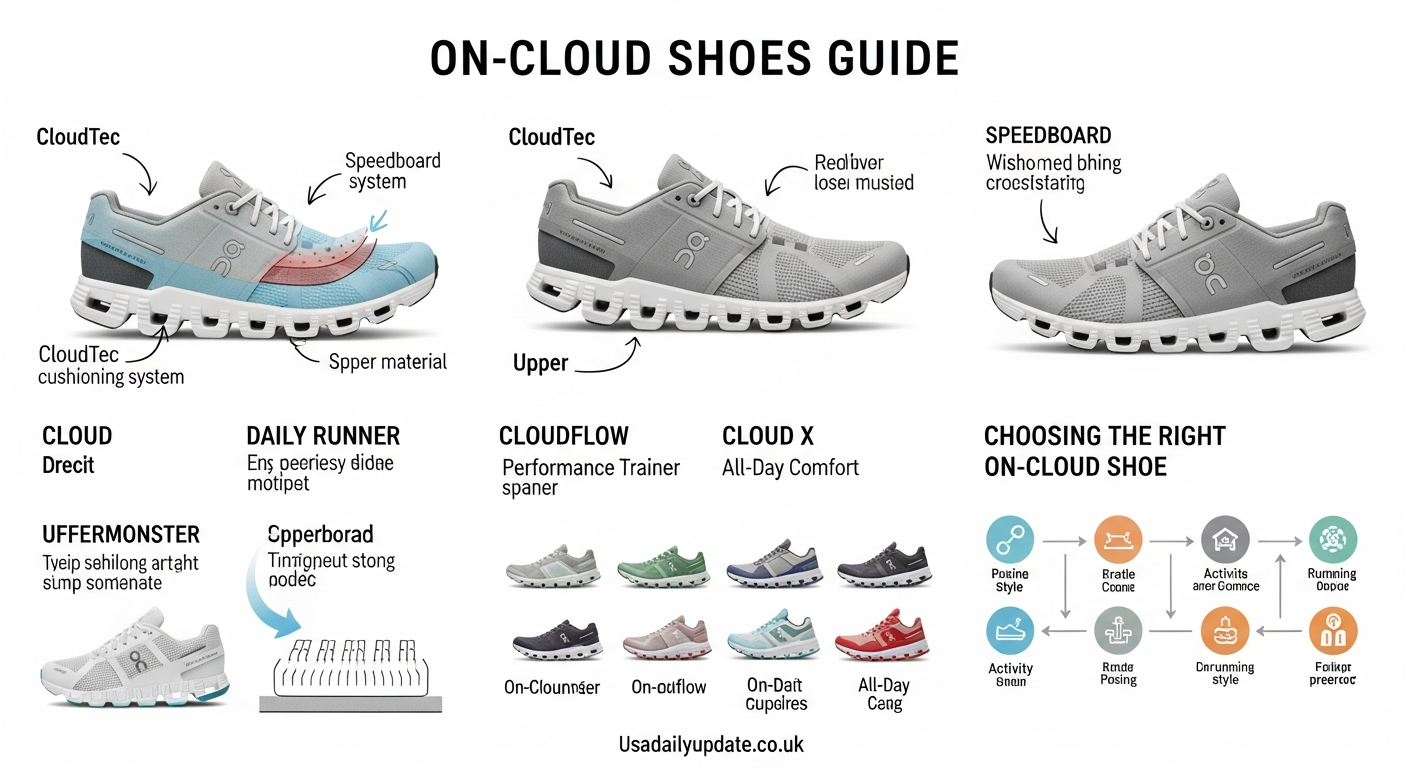
The signature feature of On Cloud shoes is their CloudTec cushioning system that looks unlike anything else on the market. Understanding how it functions helps you appreciate what you’re getting. The technology consists of individual cloud pods made from a proprietary foam material called Zero Gravity.
These hollow pods compress on impact when your foot strikes the ground. They provide cushioning during landing while maintaining a firm platform for push off. The pods are connected by a Speedboard, which is a thin plate running through the midsole. This board is designed to create forward momentum and add responsiveness to your stride.
The spacing between the pods allows for independent compression based on where your foot lands. This theoretically provides customized cushioning for different strike patterns. Heel strikers get cushioning at the heel, while forefoot strikers get support further forward. The adaptive nature sets it apart from traditional EVA foam midsoles.
When you push off, the compressed pods snap back to their original shape quickly. This rebound effect supposedly returns energy to your stride. The overall experience feels different from conventional running shoes with their uniform foam cushioning. You either love the sensation or find it takes significant adjustment.
Popular On Cloud Shoe Models Explained
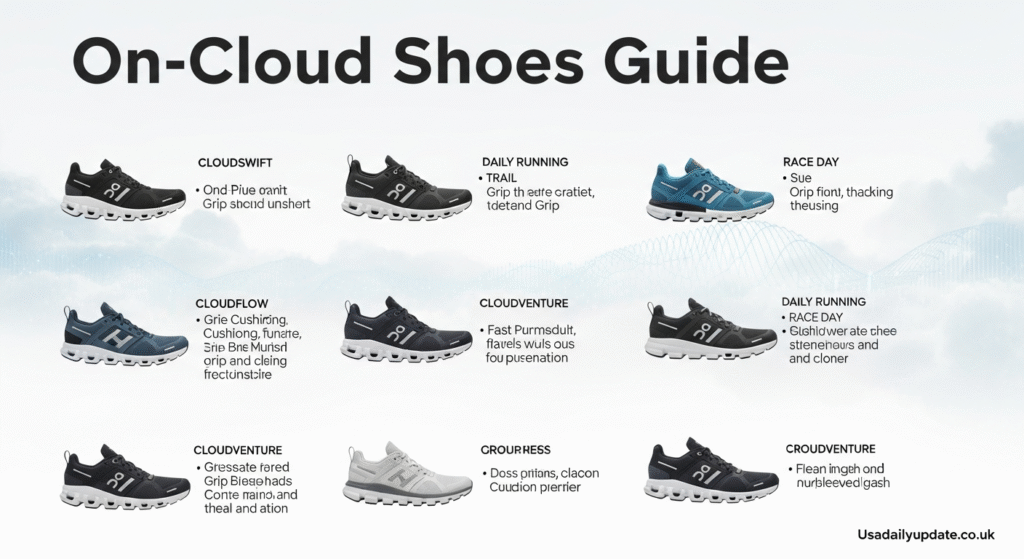
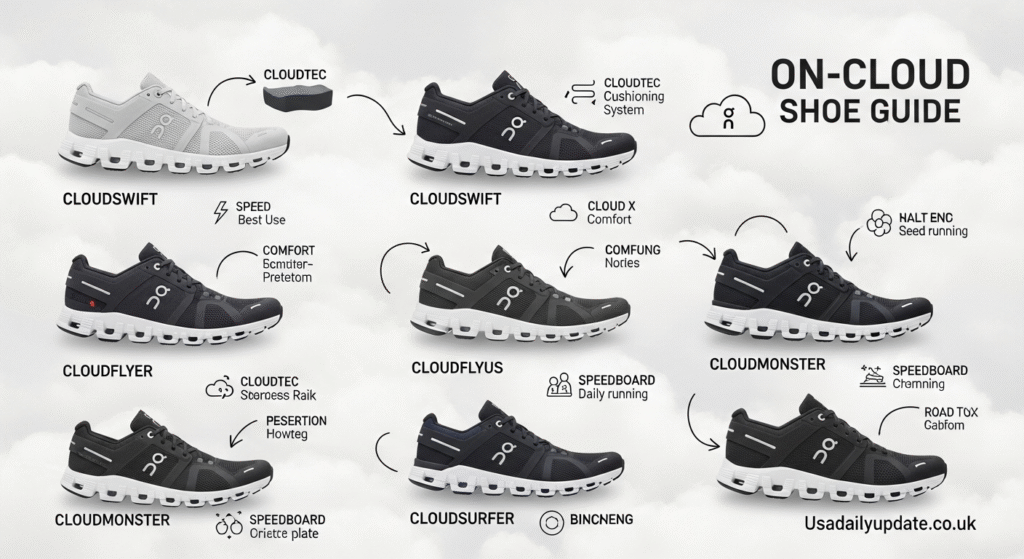
On Running offers numerous models designed for different purposes and preferences. Knowing the differences helps you choose the right pair for your needs. Each model has specific features that make it better suited for certain activities.
On Cloudflow
The Cloudflow targets runners wanting a lightweight, responsive shoe for faster training and races. It features 18 cloud pods and weighs around 8 ounces for men. The Helion superfoam provides more energy return than standard Zero Gravity foam. This model works well for tempo runs, intervals, and races up to marathon distance.
On Cloudstratus
For runners seeking maximum cushioning, the Cloudstratus offers a double layer of CloudTec pods. This creates extra cushioning for long runs or recovery days. The shoe weighs more than other models but provides excellent shock absorption. It’s ideal if you prefer a plush, protective feel underfoot.
On Cloudswift
The Cloudswift targets urban runners who train on pavement and concrete. It features enhanced cushioning with a wider base for stability. The shoe bridges the gap between performance running and all day comfort. Many people wear Cloudswifts as everyday sneakers because they look good and feel comfortable.
On Cloud 5
The Cloud 5 (formerly just called Cloud) is the brand’s lifestyle and light training shoe. It’s the most versatile model, suitable for casual wear, walking, and easy runs. The shoe weighs very little and packs easily for travel. The Cloud 5 represents many people’s introduction to the brand because of its crossover appeal.
On Cloudmonster
As the name suggests, the Cloudmonster features the largest CloudTec pods in the lineup. This maximalist shoe provides extreme cushioning for runners who want protection on long distances. The dramatic appearance divides opinion, but fans love the plush ride. It’s best for easy pace running where comfort matters more than speed.
Sizing and Fit Considerations
Getting the right size in On Cloud shoes requires careful attention because they fit differently than most brands. Many customers report sizing inconsistencies across models. Understanding these quirks saves you from the frustration of ordering the wrong size.
Most people find On Cloud shoes run about half a size small compared to Nike or Adidas. If you wear a size 10 in those brands, you’ll likely need a 10.5 in On shoes. However, this isn’t universal as some models fit true to size. Reading reviews specific to the model you’re considering provides valuable insights.
The toe box on many On Cloud shoes runs narrower than average. People with wide feet often struggle with the fit or need to size up even more. The brand does offer some models in wide widths, but the selection is limited. Trying shoes on in person before buying online is ideal if possible.
The heel cup tends to fit snugly, which prevents slipping for most people. However, those with narrow heels might still experience some movement. The speed lacing system On uses is unique and takes some getting used to. It creates a secure fit once you figure out the right tension.
Expect a break in period with On Cloud shoes as they conform to your feet. The first few wears might feel stiff or uncomfortable. Most people report the shoes feeling much better after 20 to 30 miles. Don’t judge them too harshly based solely on the first run.
Performance on Different Surfaces
How On Cloud shoes perform depends significantly on where you’re running or walking. The CloudTec pods work better on some surfaces than others. Understanding these differences helps set appropriate expectations.
On roads and pavement, On Cloud shoes excel and provide the experience the brand promises. The pods compress and rebound effectively on consistent, hard surfaces. Many runners report their best experiences with On shoes on these typical training surfaces. The cushioning feels responsive without being mushy.
Trail running presents more challenges for On Cloud shoes. The brand makes specific trail models, but even these have limitations. The cloud pods can fill with mud and debris on messy trails. Traction on technical terrain doesn’t match dedicated trail shoes from brands specializing in off-road footwear.
Track running works reasonably well with lighter On models like the Cloudflow. The firm surface allows the technology to function as designed. However, serious track athletes typically prefer traditional racing flats. On shoes serve better for track workouts than competitive racing at high speeds.
Indoor surfaces like gym floors and treadmills work fine with On Cloud shoes. The pods don’t make excessive noise or mark floors. Treadmill running feels smooth and comfortable. Many people use On shoes for gym workouts beyond just running.
Durability and Longevity Issues
One of the most common complaints about On Cloud shoes concerns their durability relative to the price. Understanding realistic expectations for lifespan helps you decide if they’re worth the investment. The shoes use quality materials, but certain design elements create vulnerability.
The cloud pods tend to wear unevenly depending on your gait pattern. Heel strikers often see significant wearing on the rear pods within 200 miles. The hollow design means once a pod wears through, the shoe’s performance degrades noticeably. This localized wear happens faster than overall midsole compression in traditional shoes.
The upper materials generally hold up well with good breathability and structure. The mesh doesn’t tear easily and maintains its shape through many miles. However, the speed lacing system can develop issues. The elastic laces sometimes lose tension or the plastic toggle breaks with repeated adjustment.
The Speedboard can crack or break in rare cases, especially if you’re a heavier runner. This failure point essentially ruins the shoe since the board provides much of the shoe’s structure and responsiveness. Most people don’t experience this issue, but it’s worth noting as a possibility.
Realistically, expect 300 to 400 miles from a pair of On Cloud shoes with proper care. This is slightly below the 400 to 500 miles typical for premium running shoes. Given the higher price point, the reduced lifespan disappoints some users. Rotating between multiple pairs extends the life of each pair.
Price Comparison and Value Assessment
On Cloud shoes occupy the premium segment of the running shoe market with prices to match. Evaluating whether they offer good value requires comparing them to alternatives. The cost becomes a significant factor in most purchasing decisions.
Most On Cloud shoes retail between $140 and $180 depending on the model. This pricing puts them squarely in competition with top offerings from Nike, Adidas, Brooks, and Hoka. Some models like the Cloudmonster push closer to $190. These aren’t budget friendly shoes by any measure.
Compared to similar cushioned running shoes, On pricing runs slightly higher on average. A Nike Pegasus or Brooks Ghost typically costs $130 to $140. Hoka shoes, which On competes against most directly, have similar pricing. The question becomes whether the unique CloudTec technology justifies any premium.
Discount opportunities exist if you’re patient and flexible about color choices. Previous season colors often go on sale for 20 to 30 percent off. Online retailers occasionally offer promotional pricing. Outlet stores sometimes carry On shoes, though selection is limited. Shopping strategically can save significant money.
The value proposition depends heavily on how much you prioritize the unique feel. If the CloudTec sensation resonates with you, the shoes might be worth every penny. However, if you’re indifferent to the technology, numerous cheaper alternatives provide excellent performance. Trying before buying helps prevent expensive mistakes.
Pros and Cons of On Cloud Shoes
Every shoe has strengths and weaknesses that affect different runners in various ways. Understanding both sides helps you make an informed decision. Here’s an honest assessment of what On Cloud shoes do well and where they fall short.
Advantages
The distinctive feel and ride quality stand out as the primary benefit. Many runners find the sensation unlike anything else and genuinely enjoy it. The responsive cushioning provides good energy return while still protecting joints. This balance is difficult to achieve and represents real engineering success.
Aesthetics appeal to many people as On shoes look modern and sleek. The design works well for casual wear beyond athletic activities. The variety of color options allows personal expression. Many users appreciate having shoes that transition seamlessly from workout to everyday life.
Lightweight construction makes On Cloud shoes feel nimble and fast. You don’t get bogged down by heavy, clunky cushioning. The low weight reduces fatigue on longer runs. This becomes especially apparent when switching from heavier training shoes.
The brand’s commitment to sustainability deserves recognition. On Running invests in recycled materials and reducing environmental impact. Their subscription service allows returning old shoes for recycling. Environmentally conscious consumers appreciate these efforts.
Disadvantages
The high price point relative to durability creates a value question. Paying premium prices for shoes that wear out faster than competitors frustrates many buyers. This becomes especially problematic for high mileage runners who go through shoes quickly.
The narrow fit excludes people with wider feet from comfortable use. Limited width options mean many potential customers can’t wear the shoes properly. This seems like an unnecessary limitation for a brand seeking growth.
The unique feel doesn’t work for everyone despite the marketing claims. Some runners find the pods unsettling or the transition awkward. The technology that delights some users alienates others. There’s no middle ground with On shoes.
Performance on trails and technical terrain leaves something to be desired. While trail specific models exist, they don’t match dedicated trail brands. Runners seeking versatile shoes for varied terrain might be disappointed.
Who Should Buy On Cloud Shoes?
Identifying whether On Cloud shoes suit your needs prevents disappointment and wasted money. These shoes work brilliantly for certain runners while frustrating others. Understanding which category you fall into guides your decision.
Road runners who log most miles on pavement represent the ideal On Cloud customer. The shoes perform best on consistent, hard surfaces where the technology functions as designed. If your typical run involves neighborhood streets or bike paths, these shoes excel.
Runners transitioning from heavier shoes to lighter options might love the change. The responsive feel and reduced weight make running feel easier. However, make this transition gradually to avoid injury from suddenly reduced cushioning and support.
People seeking crossover shoes that work for both running and lifestyle wear find value in models like the Cloud 5. The versatile design and appealing aesthetics justify the investment if you’ll wear them beyond just workouts. Getting double duty from expensive shoes improves the value proposition.
Runners with specific gait issues or those requiring stability features should look elsewhere. On Cloud shoes provide minimal stability technology compared to motion control shoes. The neutral platform works for neutral runners but doesn’t correct pronation issues.
Caring for Your On Cloud Shoes
Proper maintenance extends the life of your investment and keeps your shoes performing well. On Cloud shoes require some specific care considerations due to their unique construction. Following these guidelines maximizes your shoes’ lifespan.
Clean your On Cloud shoes regularly, especially after muddy or dirty runs. Use a soft brush and mild soap to remove debris from the cloud pods. Dirt and gunk trapped in the pods affects cushioning performance. Rinse thoroughly and air dry away from direct heat.
Never put On Cloud shoes in the washing machine despite the temptation. The agitation can damage the pods, Speedboard, and upper materials. Hand washing takes more time but protects your investment. The washing machine’s harsh environment shortens shoe life significantly.
Rotate between at least two pairs of running shoes to extend both pairs’ lifespan. Alternating allows the foam to fully decompress between runs. This simple practice can add 100 or more miles to each pair. The upfront cost of buying two pairs pays off through extended total mileage.
Store your On Cloud shoes in a cool, dry place away from direct sunlight. UV exposure degrades foam materials and fades colors. Extreme temperatures also damage the materials. A closet or shoe rack in a climate controlled space works perfectly.
Replace the insoles periodically if you’re keeping the shoes for high mileage. Fresh insoles improve comfort and can extend the useful life of shoes whose uppers and outsoles remain intact. This small investment refreshes the feel of worn shoes.
Alternatives Worth Considering
If On Cloud shoes don’t seem like the right fit, several alternatives offer similar benefits. These options might better suit your needs, budget, or preferences. Exploring alternatives ensures you find the best shoes for your specific situation.
Hoka One One represents the most direct competitor with maximal cushioning and unique aesthetics. Their oversized midsoles provide exceptional shock absorption. Models like the Clifton and Bondi offer plush rides that rival On’s comfort. Hoka shoes generally provide better durability for the price.
Brooks Ghost provides reliable, cushioned comfort in a traditional package. These shoes cost less than On Cloud while delivering excellent performance. The smooth ride and predictable feel work for most runners. Brooks offers better support options for those needing stability features.
Nike Pegasus remains the best selling running shoe globally for good reason. The balanced cushioning, responsive feel, and accessible price point create broad appeal. The latest versions incorporate Nike’s React foam for improved energy return. You get proven performance for less money.
Adidas Ultraboost offers distinctive Boost cushioning with a premium feel. The energy return and comfort rival On Cloud shoes. The style works well for casual wear beyond running. Pricing is similar, but durability typically exceeds On shoes.
The Future of On Cloud Technology
On Running continues innovating and expanding their product line. Understanding where the brand is heading helps you anticipate future offerings. Recent developments suggest interesting directions for the technology.
The company recently introduced updated CloudTec Phase technology in the Cloudsurfer Next. This evolution connects the pods differently to create a more fluid transition. Early reviews suggest improved performance over the original CloudTec system. Expect this technology to migrate to other models.
Sustainability initiatives are expanding with the Cyclon subscription program. This service allows leasing shoes that get returned for complete recycling. On aims to create fully circular production where old shoes become new ones. This approach could reshape how we think about footwear ownership.
Performance running remains a focus with shoes designed for competitive athletes. The Cloudboom Echo featuring carbon fiber plates targets serious racers. This demonstrates On’s ambition beyond the casual runner market. Expect more high performance options as they compete for elite athlete endorsements.
Casual lifestyle shoes represent growing business as the brand builds fashion credibility. Collaborations with designers and limited edition releases create hype beyond technical performance. This fashion angle might become as important as running technology for the brand’s growth.
Conclusion
On Cloud shoes offer a genuinely unique experience in the crowded running shoe market. The CloudTec technology delivers distinctive cushioning that many runners love. The stylish design and versatile performance across running and casual wear add value. These strengths explain why the brand has grown so rapidly.
However, the premium pricing, durability concerns, and narrow fit create legitimate hesitations. Not everyone will love the unique feel that devotees rave about. The shoes work brilliantly for some runners while disappointing others. This polarizing nature makes trying them before buying especially important.
Whether On Cloud shoes are worth your money depends on your priorities and feet. If the ride quality resonates with you and you primarily run on roads, they might become your favorites. If you prioritize value, need wide widths, or run varied terrain, alternatives might serve you better.
The best approach is finding a retailer with a good return policy and testing the shoes yourself. Everyone’s feet, gait, and preferences differ too much for universal recommendations. What works perfectly for your running partner might feel terrible on your feet. Your experience is what ultimately matters.
Have you tried On Cloud shoes? What was your experience with them? Share your thoughts and help other runners make informed decisions about whether these distinctive shoes deserve a place in their rotation.
Frequently Asked Questions
Are On Cloud shoes good for running?
Yes, On Cloud shoes work well for running, especially on roads and pavement where the CloudTec technology performs best. Many runners love the responsive cushioning and lightweight feel. However, they’re not ideal for all situations like technical trails or runners needing significant stability support. The unique sensation takes adjustment, and not everyone enjoys it despite the marketing hype.
Do On Cloud shoes run small or large?
On Cloud shoes typically run about half a size small compared to brands like Nike or Adidas. Most people need to size up half a size from their normal running shoe size. The toe box also tends to run narrow, which may require additional sizing adjustments for people with wider feet. Trying them on before buying or checking model specific reviews helps ensure proper fit.
How long do On Cloud shoes last?
On Cloud shoes typically last 300 to 400 miles with normal use, which is slightly below the 400 to 500 mile standard for premium running shoes. The cloud pods tend to wear unevenly, especially for heel strikers. Given their higher price point, this reduced durability frustrates some users. Proper care and rotating between multiple pairs can extend lifespan.
Are On Cloud shoes worth the money?
Whether On Cloud shoes justify their $140 to $180 price depends on your priorities. If you love the unique CloudTec feel and value the aesthetic appeal, they’re worth it. However, if you’re primarily concerned with value and durability, comparable shoes from Brooks, Nike, or Adidas cost less and last longer. The distinctive ride is the main reason to choose On over alternatives.
Can you wear On Cloud shoes casually?
Absolutely. Many On Cloud models, especially the Cloud 5, work excellently as casual everyday shoes. The sleek design and comfortable cushioning transition well from running to daily wear. Many people buy them primarily for lifestyle use rather than serious training. The versatility across activities is actually one of the brand’s strongest selling points.
What makes On Cloud shoes different?
The CloudTec cushioning system with individual hollow pods sets On shoes apart from competitors. These pods compress independently on impact and snap back quickly for responsive cushioning. The Speedboard running through the midsole adds forward propulsion. This combination creates a distinctive feel unlike traditional EVA foam midsoles found in most running shoes.
Do On Cloud shoes need breaking in?
Yes, On Cloud shoes typically require a break in period of 20 to 30 miles before they feel their best. The shoes may feel stiff or uncomfortable during the first few wears as materials soften and conform to your feet. Don’t judge them too harshly after just one run. Most people report significantly improved comfort after this initial period.
Are On Cloud shoes good for walking?
On Cloud shoes work very well for walking, especially models like the Cloud 5 designed with versatility in mind. The cushioning provides excellent comfort for long periods on your feet. Many people wear them for travel, sightseeing, or all day at work. The lightweight design reduces fatigue compared to heavier shoes during extended walking.
What is the difference between On Cloud models?
Different On Cloud models target specific uses and preferences. The Cloud 5 is a versatile lifestyle and light training shoe. The Cloudflow is lightweight for faster running. The Cloudstratus offers maximum cushioning with double layer pods. The Cloudswift targets urban runners. Each model has specific features making it better suited for particular activities and runner preferences.
Do professional runners wear On Cloud shoes?
Yes, On Running sponsors professional athletes who compete in their shoes, including Olympic medalists and marathon champions. However, the brand’s market share among elite competitors remains smaller than Nike, Adidas, or Asics. Most recreational runners comprise On’s customer base. The brand is working to expand its presence in competitive running through athlete sponsorships and performance innovations like carbon plated racing shoes.
Also Read Usadailyupate.co.uk