Introduction
If you grew up in the 1980s or appreciate classic R&B, you’ve definitely heard New Edition’s smooth harmonies and infectious beats. The New Edition members created a blueprint that influenced countless boy bands and R&B groups for generations. Their story involves talent, rivalry, breakups, and reunions that rival any Hollywood drama.
What makes this group fascinating isn’t just their music. It’s the individual personalities and talents of each New Edition member that created magic together. From their humble beginnings in Boston to becoming global superstars, these young men navigated fame, fortune, and the music industry’s challenges while barely out of their teens.
This comprehensive guide takes you through the lives and careers of all New Edition members, both original and later additions. You’ll learn about their backgrounds, their roles in the group, their solo careers, and the dynamics that made them special. We’ll explore how internal conflicts led to departures and returns, and why their legacy continues influencing music today. Whether you’re a longtime fan or just discovering their music, understanding the individuals behind the harmonies adds depth to their incredible catalog.
The Original New Edition Members
New Edition formed in 1978 when a group of Boston kids decided to create something special. The original lineup consisted of five talented young men who would change R&B forever. Their chemistry, youthful energy, and undeniable talent caught the attention of music producer Maurice Starr, who saw potential in these neighborhood kids.
Ricky Bell
Ricky Bell served as one of New Edition’s lead vocalists and brought a smooth, romantic quality to the group’s sound. Born Ricardo Bell on September 18, 1967, in Boston, Massachusetts, he grew up in the Roxbury neighborhood where New Edition originated. His tenor voice became instantly recognizable on many of the group’s biggest hits.
Bell’s vocal range and ability to convey emotion made him perfect for the group’s love songs. He shared lead vocal duties throughout New Edition’s career, delivering memorable performances on tracks that defined the group’s sound. His stage presence combined athleticism with vocal prowess, making him a fan favorite.
After New Edition’s initial success, Bell formed the supergroup Bell Biv DeVoe with fellow members. This trio found massive success with their new jack swing sound in the early 1990s. “Poison” became a cultural phenomenon and established Bell as more than just a New Edition member.
Bell has faced health challenges throughout his career, including heart issues that required surgery. Despite these obstacles, he continues performing with both New Edition and Bell Biv DeVoe. His dedication to the music and fans has never wavered across four decades in the industry.
Michael Bivins
Michael Lamont Bivins, born January 10, 1968, brought energy and business savvy to New Edition. While not primarily a lead vocalist, Bivins contributed backing vocals and became known for his dancing and stage presence. His role extended beyond performing as he developed into a shrewd businessman and music executive.
Bivins understood the entertainment industry better than most at a young age. He took on management responsibilities and helped guide the group’s career decisions. This business acumen would serve him well throughout his career, both within and outside the group.
As part of Bell Biv DeVoe, Bivins found his creative voice and commercial success. The group’s fusion of R&B, hip hop, and dance music created the new jack swing movement. Bivins also discovered and managed groups like Boyz II Men and 702, proving his talent for identifying and developing new artists.
His entrepreneurial spirit set him apart from many performers of his generation. Bivins built a music empire while continuing to perform with New Edition. His understanding of both the creative and business sides of music made him invaluable to the group’s longevity.
Ronnie DeVoe
Ronald Boyd DeVoe Jr., born November 17, 1967, completed the Bell Biv DeVoe trio and brought distinctive style to New Edition. His baritone voice provided depth to the group’s harmonies. DeVoe’s cool demeanor and smooth delivery made him stand out in performances and recordings.
DeVoe’s contribution to New Edition extended beyond vocals to choreography and visual presentation. He helped develop the group’s signature dance moves and stage show. His attention to detail in performance quality elevated New Edition above other groups of their era.
The success of Bell Biv DeVoe showcased DeVoe’s ability to adapt and evolve musically. He embraced the edgier sound that BBD represented while maintaining connections to New Edition’s roots. This versatility kept him relevant across changing musical landscapes.
DeVoe also pursued real estate and other business ventures outside music. His diversified interests provided financial stability and demonstrated intelligence about life after performing. Like Bivins, he understood that talent alone wasn’t enough for long term success in entertainment.
Ralph Tresvant
Ralph Edward Tresvant Jr., born May 16, 1968, served as New Edition’s primary lead vocalist and became known as “Rizz” or “Mr. Sensitivity.” His smooth, expressive tenor voice defined many of the group’s romantic ballads. Tresvant possessed natural charisma that made him the obvious frontman.
His vocal ability became apparent early, and he often took lead on the group’s most important songs. Tresvant’s voice carried emotion that resonated with fans, especially on slower tempo tracks. Songs like “Cool It Now” and “Mr. Telephone Man” showcased his range and appeal.
Tresvant’s solo career proved highly successful, particularly with his 1990 self titled album. “Sensitivity” became a number one hit and established him as a viable solo artist outside the group context. His solo work maintained the romantic style that made him famous with New Edition.
Despite solo success, Tresvant remained committed to New Edition and participated in reunions. His loyalty to the group and fellow members showed character beyond just career calculations. Tresvant understood that New Edition’s collective legacy mattered as much as individual achievements.
Bobby Brown
Robert Barisford Brown, born February 5, 1969, was the youngest original New Edition member and brought raw energy to the group. His dynamic stage presence and powerful voice made him impossible to ignore. Brown’s charisma and talent were evident from New Edition’s earliest performances.
Brown shared lead vocal duties with Tresvant and brought a different flavor to the group’s sound. His voice had more edge and attitude compared to Tresvant’s smoothness. This contrast created interesting dynamics in New Edition’s music and added versatility to their catalog.
Tensions arose as Brown’s star power grew and his personal style clashed with the group’s cleaner image. He wanted more creative control and a rawer sound than New Edition’s management preferred. These conflicts eventually led to his departure in 1985, a pivotal moment in the group’s history.
Brown’s solo career exploded after leaving New Edition, particularly with the album “Don’t Be Cruel.” He became one of the biggest stars in music during the late 1980s and early 1990s. His success validated his decision to leave while proving he could thrive independently.
Johnny Gill Joins New Edition
When Bobby Brown departed New Edition in 1985, the remaining members faced a crucial decision about the group’s future. They needed someone who could fill Brown’s role without trying to replace his unique presence. Johnny Gill proved to be exactly what New Edition needed during this transitional period.
Johnny Gill’s Background
Johnny Gill Jr., born May 22, 1966, in Washington D.C., already had an established music career before joining New Edition. He recorded his first album at age 16 and had been performing professionally for years. Gill’s mature voice and polished stage presence made him different from the original teenage members.
His vocal ability was undeniable and brought a new dimension to New Edition’s sound. Gill’s deep, powerful baritone contrasted beautifully with Tresvant’s tenor, creating richer harmonies. The group’s sound evolved with Gill’s addition, becoming more sophisticated and adult oriented.
Gill joined New Edition in 1987 and immediately made an impact on their next album “Heart Break.” His vocals on tracks like “If It Isn’t Love” showcased what he brought to the group. The chemistry between Gill and the other members clicked despite him being an outsider initially.
The Heart Break Era
The “Heart Break” album represented New Edition’s most successful period commercially and critically. Producers Jimmy Jam and Terry Lewis crafted a sophisticated new jack swing sound perfect for the members’ maturing voices. Gill’s presence helped the group transition from teenage heartthrobs to adult contemporary artists.
This era produced multiple hit singles that dominated radio and charts. “If It Isn’t Love,” “Can You Stand the Rain,” and “N.E. Heart Break” became classics of the genre. The album went double platinum and established New Edition as serious artists beyond their boy band origins.
The success with Gill proved the group could survive and thrive despite losing their most charismatic member. His integration showed maturity and adaptability from all involved. New Edition members demonstrated that the collective could supersede any individual, even someone as talented as Bobby Brown.

Individual Solo Careers Take Off
As New Edition achieved peak success, individual members began pursuing solo opportunities. The group went on hiatus in the late 1980s as everyone explored their own musical identities. This period tested whether New Edition was greater than the sum of its parts.
Ralph Tresvant released his self titled solo debut in 1990 to massive success. “Sensitivity” topped the R&B charts and became his signature song. The album showcased his romantic vocals without the group context and sold over two million copies.
Johnny Gill’s 1990 solo album also found significant commercial success. His single “Rub You the Right Way” became a massive hit and established him as a solo force. Gill proved his addition to New Edition hadn’t been a desperate move but rather a meeting of complementary talents.
Bell Biv DeVoe’s “Poison” album became a cultural phenomenon when released in 1990. The trio’s new jack swing sound influenced an entire generation of R&B and hip hop. Their success as a splinter group actually enhanced New Edition’s overall legacy rather than diminishing it.
Bobby Brown’s solo career had already skyrocketed with “Don’t Be Cruel” in 1988. He became one of the biggest stars in music, proving he made the right decision leaving when he did. Brown’s success showed what was possible when New Edition members pursued their individual visions.
Reunions and Lineup Changes
New Edition members have reunited multiple times since their initial split. These reunions have varied in lineup, success, and drama. The complicated relationships between members made each reunion unique and sometimes controversial.
The first major reunion happened in 1996 with the “Home Again” album. All six members, including Bobby Brown, came together for the first time since his departure. The album debuted at number one and proved the demand for New Edition still existed years later.
“Home Again” represented a mature sound reflecting the members’ growth as artists and people. The singles “Hit Me Off” and “I’m Still in Love with You” showed they could create relevant music while honoring their legacy. The reunion tour sold out arenas and demonstrated their enduring appeal.
However, tensions remained beneath the surface during this period. Old conflicts about creative direction, leadership, and money resurfaced. These issues would plague future reunion attempts and remind everyone why they split in the first place.
Subsequent reunions happened with varying success and different lineup configurations. Sometimes Bobby Brown participated, sometimes he didn’t. The rotating cast of available members created confusion about what constituted an official New Edition appearance versus a partial reunion.
The most comprehensive reunion occurred with the BET miniseries “The New Edition Story” in 2017. All members participated in telling their story, and the production became one of BET’s highest rated programs. The series renewed interest in New Edition and led to successful reunion tours.
The New Edition Story Miniseries Impact
The 2017 BET miniseries “The New Edition Story” provided unprecedented insight into the group’s history. Spanning three nights and six hours, the production covered their entire journey from Boston kids to music legends. The New Edition members served as executive producers and ensured authenticity in storytelling.
The miniseries didn’t shy away from difficult topics including financial exploitation, internal conflicts, and personal struggles. It showed how young artists could be taken advantage of by the music industry. The honest portrayal resonated with audiences and critics, earning praise for its depth and production quality.
Viewers learned about the business side of their career, including how little money they initially made despite massive success. The revelation that they earned only pennies for early hits shocked many fans. This transparency about industry exploitation educated a new generation about music business realities.
The casting was remarkably accurate, with actors capturing not just appearances but mannerisms and vocal patterns of each member. The attention to detail made the story feel authentic rather than Hollywood sanitized. Musical performances were recreated with stunning accuracy, immersing viewers in New Edition’s journey.
The miniseries’ success led to “The Bobby Brown Story” sequel focusing on his life after New Edition. Combined, these productions created a comprehensive look at one of R&B’s most important groups. The cultural impact extended beyond entertainment to legitimate historical documentation.
Musical Legacy and Influence
New Edition members created a template that countless groups followed for decades. Their combination of vocal harmonies, synchronized choreography, and youthful appeal established the modern boy band formula. Artists from Boyz II Men to BTS owe debts to what New Edition pioneered.
Their vocal arrangements influenced how R&B groups approached harmonies and lead distribution. The interplay between Tresvant’s tenor and Gill’s baritone became a blueprint for future groups. Bell Biv DeVoe’s new jack swing fusion pushed R&B into new territories that dominated the early 1990s.
New Edition’s fashion sense also impacted youth culture significantly. Their coordinated outfits, from leather to suits to athletic wear, set trends that fans eagerly copied. The group understood that visual presentation mattered as much as musical talent in creating a complete package.
Their ability to evolve from teenage pop to adult contemporary showed artistic growth that many groups never achieve. While some acts get trapped in their original sound, New Edition adapted to changing times. This flexibility kept them relevant across multiple decades and musical eras.
The individual success of New Edition members after the group proved the depth of talent involved. Unlike many groups where one member carries the rest, New Edition featured multiple stars. This collective strength meant they could splinter and reunite without losing their identity or appeal.
Challenges and Controversies
Like many successful groups, New Edition members faced numerous challenges that tested their relationships. Financial disputes with early management left them earning far less than their success warranted. These experiences taught them harsh lessons about the music business that they’ve shared in interviews.
Internal rivalries, particularly between Bobby Brown and other members, created tensions that never fully resolved. Brown’s departure and subsequent solo success changed group dynamics permanently. His presence or absence at reunions always became a focal point rather than just another member returning.
Personal struggles including substance abuse, legal issues, and health problems affected various members. Bobby Brown’s well documented troubles received the most attention, but others faced their own demons. These real life challenges added complexity to their public personas and reunion attempts.
Creative differences about musical direction caused friction throughout their career. Some members wanted to push boundaries while others preferred staying with proven formulas. These artistic disagreements, while normal, sometimes escalated into personal conflicts that threatened the group’s cohesion.
Despite these obstacles, New Edition members maintained enough respect and affection for each other to reunite repeatedly. Their ability to put differences aside for performances and projects shows maturity and recognition of their shared legacy. The complications make their survival as a group more impressive, not less.
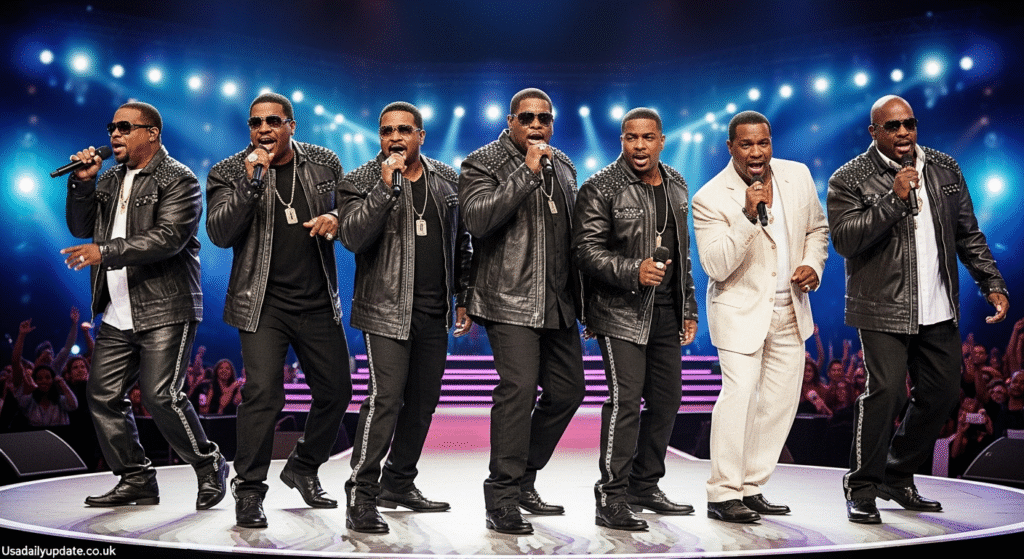
Current Status of New Edition Members
Today, the New Edition members remain active in entertainment, though their activities vary. The group still performs together periodically, particularly for special events and tours. These appearances generate significant interest and ticket sales, proving their enduring appeal.
Ricky Bell continues performing with both New Edition and Bell Biv DeVoe. His health issues have been managed, allowing him to maintain an active touring schedule. Bell remains committed to the music and appreciates the opportunity to still perform at this stage of his career.
Michael Bivins stays busy with multiple ventures including music production, management, and real estate. His business empire extends well beyond performing, though he still hits the stage regularly. Bivins represents the model of a music industry veteran who built sustainable success.
Ronnie DeVoe similarly balances performing with business interests including real estate investment. He maintains a lower public profile than some members but remains integral to New Edition and BBD performances. DeVoe’s steady presence provides continuity and reliability.
Ralph Tresvant continues his solo career alongside New Edition commitments. His voice remains remarkably preserved, allowing him to perform his romantic ballads with the same smoothness as decades ago. Tresvant stays active on social media, connecting directly with fans.
Bobby Brown’s later career has been marked by personal tragedy and attempts at comeback. He continues performing and has shown remarkable resilience through devastating losses. Brown’s relationship with New Edition remains complicated but he participates in reunions when possible.
Johnny Gill maintains an active solo career and regularly performs with New Edition. His voice has aged gracefully, perhaps better than any other member’s. Gill’s professional approach and vocal consistency make him invaluable to reunion tours and recordings.
Why New Edition Still Matters
The impact of New Edition members extends far beyond their hit songs. They represented young Black excellence at a time when opportunities were limited. Their success opened doors for countless artists who followed and proved that groups could have longevity and artistic growth.
Their business struggles educated future generations of artists about industry exploitation. By sharing their stories of being taken advantage of financially, they helped younger artists avoid similar pitfalls. This transparency has been invaluable to the music community.
New Edition’s music remains timeless, still played at parties, weddings, and on radio. Songs like “Candy Girl,” “Cool It Now,” and “If It Isn’t Love” are intergenerational favorites. The quality of their catalog ensures continued relevance regardless of current trends.
Their reunion success proves that authentic artistry and fan connection can overcome industry changes. In an era of manufactured viral moments, New Edition represents organic talent and real relationships with audiences. This authenticity resonates in a way that calculated marketing cannot replicate.
The individual achievements of New Edition members collectively elevate the group’s legacy. Unlike groups where one star eclipsed the rest, New Edition produced multiple successful solo artists and subgroups. This shared success validates that the original group was truly special, not just a vehicle for one talent.
Conclusion
The New Edition members created something truly special that transcended typical boy band success. From Boston neighborhoods to international stages, these talented individuals navigated fame’s challenges while producing timeless music. Their journey includes triumph, conflict, growth, and reunion in ways that feel authentically human rather than manufactured for publicity.
Understanding each New Edition member’s contribution helps you appreciate the group’s complexity and longevity. Ricky Bell, Michael Bivins, Ronnie DeVoe, Ralph Tresvant, Bobby Brown, and Johnny Gill each brought unique talents that created something greater than any individual could achieve alone. Their collective and solo work influenced generations of artists across multiple genres.
The New Edition story reminds us that real talent, combined with hard work and some luck, can overcome tremendous obstacles. Their legacy lives on through their music, their influence on other artists, and their continued performances. Few groups from their era remain relevant and active, yet New Edition keeps drawing crowds and releasing music.
What’s your favorite New Edition song or era? Do you prefer their classic hits or the mature sound they developed later? Share your thoughts about these legendary New Edition members and keep their music alive for new generations to discover.

Frequently Asked Questions
Who are the original New Edition members?
The original New Edition members were Ricky Bell, Michael Bivins, Ronnie DeVoe, Ralph Tresvant, and Bobby Brown. These five young men from Boston formed the group in 1978 and achieved their first success with “Candy Girl” in 1983. This lineup remained intact until Bobby Brown’s departure in 1985.
Why did Bobby Brown leave New Edition?
Bobby Brown left New Edition in 1985 due to creative differences and conflicts with management and other members. He wanted more control over his artistic direction and felt constrained by the group’s clean cut image. His departure was also influenced by personal tensions within the group and his desire to pursue a solo career with more creative freedom.
When did Johnny Gill join New Edition?
Johnny Gill officially joined New Edition in 1987, replacing Bobby Brown who had departed two years earlier. Gill was already an established solo artist when he joined. His first album with the group was “Heart Break” in 1988, which became their most commercially successful release and featured his distinctive baritone vocals.
What is Bell Biv DeVoe?
Bell Biv DeVoe is a spinoff group formed by three New Edition members: Ricky Bell, Michael Bivins, and Ronnie DeVoe. They formed during New Edition’s hiatus and released their debut album “Poison” in 1990. The group pioneered the new jack swing sound, blending R&B with hip hop elements, and achieved massive commercial success independent of New Edition.
Have all New Edition members reunited?
Yes, all six members including Bobby Brown and Johnny Gill have reunited multiple times. The most notable reunion was for the “Home Again” album in 1996. They also came together for “The New Edition Story” miniseries in 2017 and subsequent tours. However, not all reunions include all members consistently due to scheduling conflicts and personal issues.
How much money did New Edition members make from early hits?
New Edition members made very little money from their early hits despite massive commercial success. According to their own accounts revealed in “The New Edition Story,” they earned only pennies per record sold and sometimes received as little as $1.87 for performances. This financial exploitation by early management became a cautionary tale about music industry contracts.
Who was the lead singer of New Edition?
Ralph Tresvant served as the primary lead vocalist for New Edition, though Bobby Brown also took lead on many songs during his time with the group. After Johnny Gill joined, he shared lead vocal duties with Tresvant. The group actually featured multiple lead singers depending on the song, which was part of their distinctive sound and appeal.
Is New Edition still performing?
Yes, New Edition members still perform together periodically for tours and special events. While they don’t maintain a constant touring schedule like during their peak years, they reunite regularly for concerts that draw large audiences. Individual members also perform solo shows and with Bell Biv DeVoe between full New Edition reunions.
What happened between Bobby Brown and New Edition?
Bobby Brown’s relationship with New Edition has been complicated by creative differences, personal conflicts, and his departure in 1985. While they’ve reunited multiple times since then, tensions have persisted over the years. Brown’s solo success and personal struggles created distance, though they’ve worked to maintain a professional relationship for performances and the group’s legacy.
How did The New Edition Story impact the group?
The 2017 BET miniseries “The New Edition Story” significantly renewed interest in the group and educated new audiences about their journey. The production became one of BET’s highest rated programs and led to successful reunion tours. It provided transparency about their business struggles and personal conflicts while celebrating their musical achievements, ultimately strengthening their legacy.
Also Read Usadailyupdate.co.uk