Introduction
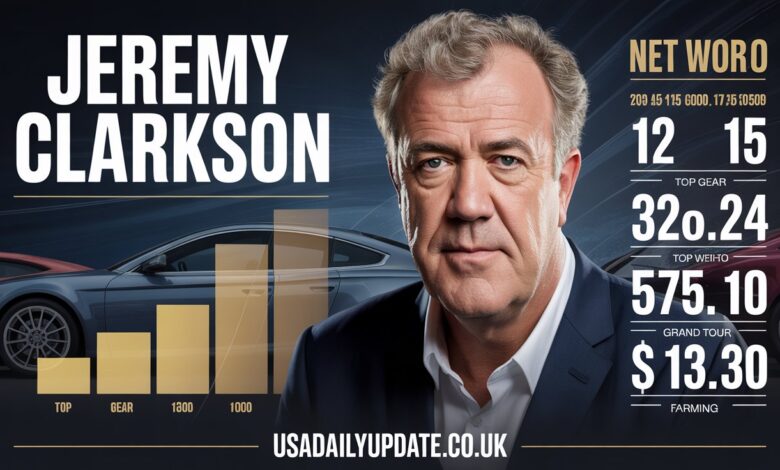
Few television personalities have managed to turn car reviews and farming mishaps into a multimillion dollar empire quite like Jeremy Clarkson Net Worth. Love him or hate him, you can’t deny that this outspoken British broadcaster has built an impressive financial legacy. The Jeremy Clarkson net worth has been a topic of fascination for fans and critics alike, especially as his career has taken unexpected turns over the decades.
From his early days as a journalist to becoming one of the world’s most recognizable faces in motoring entertainment, Clarkson’s journey to wealth is anything but ordinary. His controversial personality and unfiltered opinions have cost him jobs, yet somehow his bank account keeps growing. The question that keeps coming up is simple: just how much is Jeremy Clarkson Net Worth?
In this comprehensive look at Jeremy Clarkson net worth, you’ll discover the various income streams that contribute to his wealth. We’ll explore his massive earnings from Top Gear, the lucrative Amazon deal for The Grand Tour, his surprising farming venture that became a hit show, plus his books, columns, and business investments. You’ll also learn about the controversies that shaped his career and the lifestyle his wealth affords him. By the end, you’ll have a complete picture of how one of television’s most divisive figures amassed his fortune.
Early Career and Rise to Fame
Jeremy Clarkson started his career in journalism during the 1980s, writing for local newspapers in northern England. His path wasn’t glamorous at first. He worked for the Rotherham Advertiser and later moved to automotive journalism. This foundation in writing would prove crucial to his later success and income streams.
His television breakthrough came with appearances on Top Gear’s original format in the late 1980s. The show wasn’t the global phenomenon it would become. Clarkson appeared as one of several presenters covering car news in a fairly straightforward manner. The format was traditional motoring journalism translated to television.
The real turning point came in 2002 when BBC relaunched Top Gear with Clarkson as the lead presenter. His chemistry with Richard Hammond and James May created television magic. The show transformed from a niche automotive program into a global entertainment juggernaut. This reinvention marked the beginning of serious wealth accumulation for Clarkson.
His presenting style broke all the rules of traditional broadcasting. Clarkson was opinionated, sometimes offensive, always entertaining. This approach resonated with millions of viewers worldwide. The show became BBC’s most profitable export, selling to over 200 countries. Clarkson’s central role in this success translated directly into his growing net worth.
Top Gear Salary and Earnings
At the peak of Top Gear’s success, Jeremy Clarkson was earning approximately £1 million per year from the BBC as his presenting salary. This might sound substantial, but it’s actually modest compared to what the show generated. The real money came from other arrangements that made Clarkson far wealthier than his salary alone suggests.
Clarkson owned a significant stake in Bedder 6, the production company behind Top Gear. This ownership structure meant he earned profits from the show’s commercial success beyond his presenting fee. The show generated massive revenues through international sales, merchandise, live tours, and licensing deals. As a part owner, Clarkson received substantial dividends.
In 2012, BBC Worldwide bought the rights to Top Gear in a deal that netted Clarkson and his co presenters a combined payout of approximately £14.5 million. Clarkson’s share of this windfall significantly boosted his net worth. This transaction demonstrated just how valuable the Top Gear brand had become under his stewardship.
The live Top Gear shows toured globally, selling out arenas and generating millions in ticket sales. Clarkson received income from these performances as both a presenter and through his production company stake. These tours happened during show breaks, creating an additional substantial revenue stream. The combination of salary, ownership, and live performances made the Top Gear years incredibly lucrative for Clarkson.
The Grand Tour and Amazon Deal
When Clarkson was fired from the BBC in 2015 following the infamous “fracas” with a producer, many wondered if his career was over. Instead, Amazon swooped in with one of the most lucrative deals in television history. The contract to create The Grand Tour reportedly valued at £160 million for three series represented a massive payday.
The exact breakdown of how this money was distributed among Clarkson, Hammond, and May has never been fully disclosed. However, industry insiders suggest Clarkson as the lead presenter and primary creative force commanded the largest share. Conservative estimates place his earnings from The Grand Tour at well over £50 million across the show’s run.
The Amazon deal included not just presenting fees but also production company involvement. Clarkson’s W. Chump and Sons production company played a key role in creating the show. This structure mirrors the Top Gear arrangement, ensuring multiple income streams from the same project. Ownership stakes in content create long term value beyond immediate salaries.
The Grand Tour maintained Top Gear’s global appeal while giving Clarkson more creative freedom. Without BBC oversight, the production budgets were enormous with episodes costing up to £3 million each. Amazon’s deep pockets and desire to compete in streaming meant premium compensation for premium talent. This deal cemented Clarkson’s position as one of the highest paid television presenters in the world.
Clarkson’s Farm: Unexpected Success
In 2021, Clarkson launched a farming show that surprised everyone by becoming Amazon’s most watched original series in the UK. Clarkson’s Farm documented his attempts to run Diddly Squat Farm in the Cotswolds. The show combined humor, education, and genuine insight into farming challenges. Its success added another significant revenue stream to Clarkson’s portfolio.
The farm itself was purchased years earlier and reportedly cost around £4.25 million. Clarkson bought the 1,000 acre estate partly as an investment and partly due to his genuine interest in agriculture. The land generates income through farming activities, though Clarkson admits the actual farming barely breaks even. The real value came from turning the farm into content.
Clarkson’s Farm spawned a successful farm shop that has become a tourist attraction. Despite planning permission battles with local councils, the shop draws thousands of visitors. Merchandise, food products, and the general Clarkson brand create substantial revenue. The farm has transformed from a money losing hobby into a profitable business venture.
Amazon renewed the show for multiple series, each renewal bringing additional income. The show’s success demonstrates Clarkson’s ability to reinvent himself and find new audiences. His willingness to appear foolish and genuinely learn about farming resonated with viewers tired of polished celebrity content. This authenticity proved financially rewarding as the show continues generating income through streaming views.
Books, Columns, and Writing Income
Jeremy Clarkson has authored numerous books throughout his career, many of which became bestsellers. His collections of newspaper columns and automotive writing have sold millions of copies worldwide. Each book release generates substantial advances and royalties. His straightforward, humorous writing style translates well to print, creating a loyal readership.
His regular column in The Sunday Times reportedly earns him around £4 million annually. This long running gig provides steady income separate from television work. The column gives Clarkson a platform for his opinions on everything from politics to consumer products. Controversy around his columns occasionally causes problems but also keeps him relevant and talked about.
Book sales have been particularly strong in the UK market where his brand is strongest. Titles like “The World According to Clarkson” series performed exceptionally well commercially. Publishers value his ability to guarantee sales, making him a reliable investment. The combination of column income and book royalties provides financial stability beyond television’s unpredictability.
His writing income demonstrates diversification beyond screen work. While television made him famous, his ability to monetize that fame through multiple channels shows business savvy. Writing requires less time investment than television production yet generates significant returns. This passive income stream contributes meaningfully to his overall net worth.
Business Ventures and Investments
Beyond media work, Clarkson has made strategic business investments over the years. His production companies represent his most significant business holdings beyond real estate. These entities own intellectual property rights and generate ongoing revenue. The production company model gives him control and maximizes profit retention.
He has invested in various automotive related ventures though specific details remain private. His expertise and name recognition make him an attractive partner for car related businesses. These investments likely include everything from classic car restorations to modern automotive technology. The exact returns remain undisclosed but represent portfolio diversification.
Real estate forms another pillar of Clarkson’s wealth. Beyond Diddly Squat Farm, he owns properties in London and the Isle of Man. Property investments provide both lifestyle benefits and financial returns. The UK property market has generally appreciated well over his ownership period. These holdings represent substantial asset value.
His business approach shows sophistication beyond simply earning high salaries. By maintaining ownership stakes and building businesses rather than just accepting paychecks, he’s built lasting wealth. This strategy provides income even during periods between major television projects. The business foundations ensure his net worth continues growing even as he ages.
Controversies and Their Financial Impact
Clarkson’s career has been marked by controversies that would have ended others’ careers. The 2015 incident that led to his BBC dismissal initially seemed financially disastrous. Losing Top Gear meant losing guaranteed income from the world’s most popular motoring show. However, the controversy actually increased his market value by making him more sought after.
Various offensive comments and politically incorrect statements have triggered sponsor concerns and public backlash. Advertisers occasionally distance themselves from Clarkson following controversial remarks. Yet his core audience remains loyal, and his ability to generate attention has commercial value. Controversy paradoxically enhances his brand among certain demographics.
Legal battles and settlements have occasionally cost him money. However, these costs pale compared to his overall earnings. His willingness to speak freely despite potential consequences is part of his brand appeal. This authenticity, even when problematic, drives viewership and engagement. In entertainment, attention translates to value.
The Amazon deal following his BBC firing proved that controversy doesn’t necessarily hurt earning potential. If anything, it made him more valuable to platforms seeking disruption. Traditional broadcasters might shy away from controversial talent, but streaming services see audience potential. Clarkson’s ability to bounce back financially from setbacks demonstrates his enduring commercial appeal.
Current Net Worth Estimates
Most reliable estimates place Jeremy Clarkson net worth between £50 million and £60 million as of 2024. This figure accounts for his television earnings, property holdings, business interests, and other assets. The exact number fluctuates based on asset valuations and current income. Some estimates go higher while more conservative assessments come in slightly lower.

Breaking down his wealth reveals diversification across multiple asset classes. Television and media work generated the bulk of his earnings historically. Property holdings represent significant value, particularly Diddly Squat Farm and London properties. Business interests through production companies and investments add substantial value. Cash and liquid assets provide financial flexibility.
His earning power remains strong despite being in his sixties. Clarkson’s Farm generates ongoing income while requiring less physical demand than car shows. His writing continues providing steady revenue. The Grand Tour specials still appear occasionally. His diverse income streams ensure financial security regardless of any single project’s performance.
Comparing his wealth to other television presenters shows he’s among the highest earners in British broadcasting. He outearns most traditional news anchors and entertainment hosts significantly. Only a handful of presenters globally command similar compensation. His wealth reflects both his talent and his shrewd business dealings throughout his career.
Lifestyle and How He Spends His Money
Clarkson’s lifestyle reflects his wealth while maintaining a somewhat down to earth quality. He famously drives various exotic and classic cars, rotating through different vehicles regularly. His car collection’s value is substantial though he’s also known for driving fairly ordinary cars. This relationship with automobiles goes beyond mere collecting to genuine enthusiasm.
Diddly Squat Farm represents both a business and a lifestyle choice. The property provides space for farming pursuits and the farm shop. Living in the Cotswolds offers privacy away from London’s intensity. The farm allows him to pursue interests beyond television while maintaining proximity to the capital when needed.
He maintains a relatively private family life despite his public persona. Clarkson has been married twice and has three children. His relationships and family life stay mostly out of tabloids compared to some celebrities. He supports his children financially but hasn’t flaunted wealth in particularly ostentatious ways.
Dining and entertainment spending aligns with his interests rather than pure extravagance. He’s known for appreciating good food and pubs rather than exclusive clubs. His spending patterns suggest someone who enjoys quality but isn’t obsessed with status symbols. This authenticity in his lifestyle choices resonates with his audience and maintains his relatable appeal.
Comparing to Other Top Television Presenters
When comparing Jeremy Clarkson net worth to other British television personalities, he ranks among the wealthiest. Ant and Dec, the popular presenting duo, have a combined net worth estimated around £60 million. Simon Cowell’s wealth far exceeds Clarkson’s at an estimated £385 million, though Cowell’s income sources differ significantly with music and format creation.
David Attenborough, another long serving BBC presenter, has an estimated net worth of around £25 million despite decades of acclaimed work. The difference highlights how commercial entertainment shows generate more wealth than documentary work. Clarkson’s controversial, personality driven content proved more financially lucrative than traditional broadcasting.
Internationally, comparing to American hosts shows even starker contrasts. Jay Leno’s net worth exceeds £350 million. Ellen DeGeneres is worth approximately £380 million. These figures reflect American television’s larger market and advertising revenues. However, Clarkson has done remarkably well operating primarily in the UK and international markets.
Among motoring journalists specifically, Clarkson’s wealth dwarfs his competitors. His former Top Gear colleagues Richard Hammond and James May have substantial net worths of around £35 million and £28 million respectively. All three benefited from the show’s success, but Clarkson’s leadership role and additional ventures kept him ahead financially.
Future Earnings Potential
At 64 years old, Clarkson shows no signs of slowing down significantly. Clarkson’s Farm continues for at least another series with Amazon. The show’s success ensures renewal possibilities beyond current commitments. His ability to create engaging content about farming suggests he can continue generating television income for years.
The farm business itself has growth potential beyond the television show. The farm shop could expand or franchise if planning permission battles can be resolved. Product lines bearing his name could extend into retail. The Clarkson brand has proven remarkably durable and continues having commercial value across multiple sectors.
His writing career can continue indefinitely as long as newspapers want his columns. Book deals will remain available given his proven sales record. These income streams require less physical demand than television production. They provide financial security as he potentially reduces television commitments.
Potential retirement doesn’t mean the end of income. Residuals from past shows, particularly The Grand Tour, will generate ongoing payments. Property investments will continue appreciating. His production companies own content that generates licensing revenue. Even without active work, his financial foundations ensure continued wealth growth.
Lessons from Clarkson’s Financial Success
Clarkson’s wealth building offers lessons beyond entertainment industry specifics. Diversification across multiple income streams provided stability when individual ventures faced challenges. His BBC firing would have been financially devastating if television salaries were his only income. Business ownership and investments protected his wealth.
Building and protecting intellectual property rights created lasting value. His involvement in production companies rather than just being a hired presenter meant sharing in long term profits. This approach required more risk and involvement but paid off substantially. Ownership stakes in content generate wealth beyond immediate salaries.
Personal branding consistency contributed to his commercial longevity. Whether you like his personality or not, you know what Clarkson represents. This clear brand identity made him valuable to broadcasters and advertisers. Authenticity, even controversial authenticity, proved more marketable than manufactured personas.
Resilience in the face of setbacks demonstrated professional adaptability. Many careers wouldn’t survive the controversies Clarkson faced. His ability to reinvent himself with new projects maintained earning power. This flexibility and willingness to try new formats like farming shows extended his career and wealth building opportunities.
Conclusion
Jeremy Clarkson net worth of approximately £50 to £60 million represents decades of successful television presenting, shrewd business decisions, and controversial personality that somehow keeps paying off. From Top Gear’s global success to The Grand Tour’s massive Amazon deal, and his unexpected farming show triumph, Clarkson has consistently found ways to monetize his talents across multiple platforms.
His wealth story demonstrates that television success alone doesn’t guarantee lasting riches. The Jeremy Clarkson net worth grew substantially because he diversified income streams, invested in production companies, built real estate holdings, and maintained consistent writing revenue. His controversies paradoxically enhanced rather than damaged his commercial value by keeping him relevant and talked about.
Looking forward, Clarkson’s financial future appears secure with ongoing projects and passive income streams. His ability to reinvent himself with Clarkson’s Farm shows adaptability that could sustain his career for years. Whether he continues full time television work or scales back, his wealth foundations ensure financial comfort.
The Jeremy Clarkson net worth story ultimately shows how personality driven entertainment can generate substantial wealth when combined with smart business decisions. Love him or hate him, you can’t deny his financial success. What do you think about his journey from journalist to multimillionaire? Share your thoughts on whether his controversial style was essential to his financial success or if talent alone would have been enough.
Frequently Asked Questions
How much is Jeremy Clarkson Net Worth in 2024?
Jeremy Clarkson net worth is estimated between £50 million and £60 million as of 2024. This wealth comes from his television work including Top Gear and The Grand Tour, his successful Clarkson’s Farm show, newspaper columns, book sales, and business investments. His production company ownership and property holdings including his Cotswolds farm contribute significantly to his overall wealth.
What was Jeremy Clarkson’s salary on Top Gear?
Clarkson earned approximately £1 million per year as his BBC salary for presenting Top Gear. However, his real earnings were much higher due to ownership stakes in Bedder 6, the production company behind the show. In 2012, he received roughly £14.5 million from the sale of Top Gear rights, plus income from live tours and merchandise.
How much did Amazon pay Jeremy Clarkson for The Grand Tour?
Amazon reportedly paid around £160 million for three series of The Grand Tour for Clarkson, Hammond, and May combined. While the exact split hasn’t been publicly disclosed, estimates suggest Clarkson earned over £50 million throughout the show’s run as the lead presenter and principal creative force. This deal made him one of the highest paid television presenters globally.
Does Jeremy Clarkson make money from his farm?
Clarkson admits the actual farming operations barely break even. However, Clarkson’s Farm as a television show generates substantial income through his Amazon deal. The farm shop has become profitable despite planning permission challenges, attracting thousands of visitors. The farm’s real value comes from content creation and brand building rather than traditional agriculture.
What is Jeremy Clarkson’s annual income?
Clarkson’s annual income fluctuates based on active projects but likely ranges between £5 million and £10 million. His Sunday Times column reportedly pays around £4 million yearly. Television projects, book royalties, business profits, and property income add to this figure. His diverse income streams provide substantial annual earnings even between major television projects.
How much is Diddly Squat Farm worth?
Clarkson purchased Diddly Squat Farm for approximately £4.25 million. The 1,000 acre Cotswolds estate has likely appreciated since purchase. Beyond the land value, the farm generates income through the television show, farm shop, and tourism. The property’s total value including these commercial elements significantly exceeds the original purchase price.
Did Jeremy Clarkson lose money when he left the BBC?
Initially, leaving the BBC cost Clarkson his £1 million annual salary and Top Gear income streams. However, Amazon’s subsequent deal worth over £50 million for him personally far exceeded what he would have earned staying at the BBC. His departure ultimately increased his earning potential by freeing him for more lucrative opportunities.
What cars does Jeremy Clarkson own?
Clarkson owns various vehicles though his collection changes regularly. He’s known for owning Lamborghinis, Mercedes Benzes, and Range Rovers among others. Unlike some celebrities, he actually drives his cars rather than just collecting them. His car ownership reflects genuine enthusiasm rather than pure wealth display, with a mix of exotic and practical vehicles.
Is Jeremy Clarkson richer than Richard Hammond and James May?
Yes, Jeremy Clarkson net worth of £50 to £60 million exceeds Richard Hammond’s estimated £35 million and James May’s estimated £28 million. As Top Gear’s lead presenter and primary creative force, Clarkson commanded larger shares of deals. His additional ventures like his farm show and newspaper column provide income streams his co presenters don’t have.
What businesses does Jeremy Clarkson own?
Clarkson owns W. Chump and Sons, his production company involved in creating The Grand Tour and other content. He has ownership stakes in Clarkson’s Farm related businesses including the farm shop. His exact investment portfolio remains private but likely includes automotive related ventures and property holdings beyond his primary residences and farm.
Also Read Labubu Clothes: Ultimate Adorable Collectible Fashion Guide