Introduction
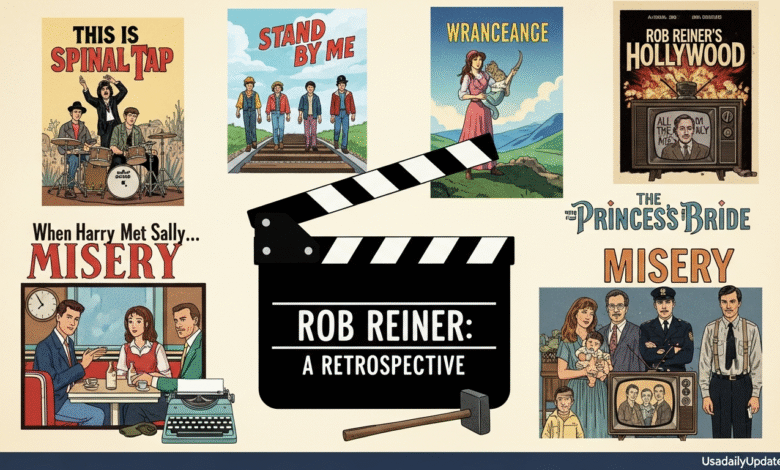
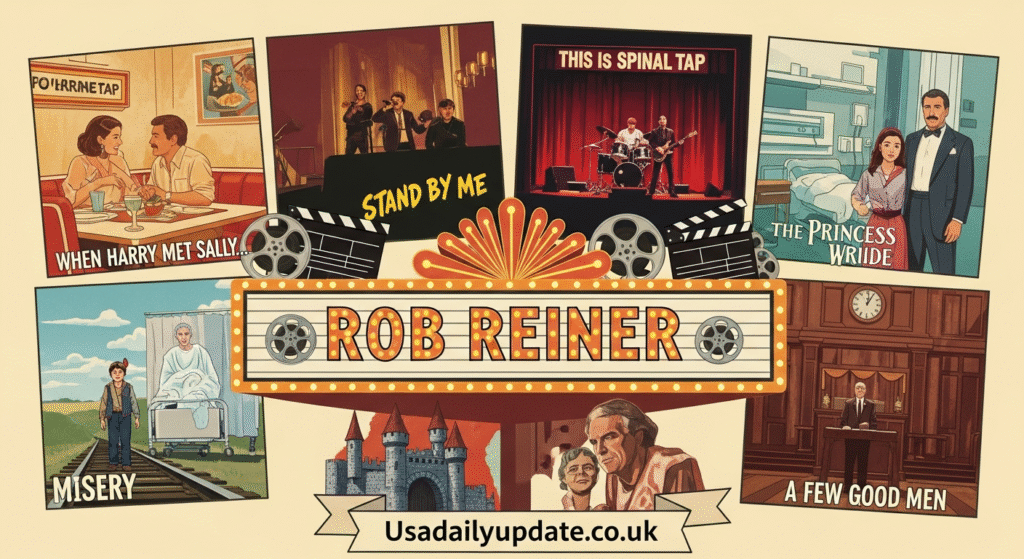
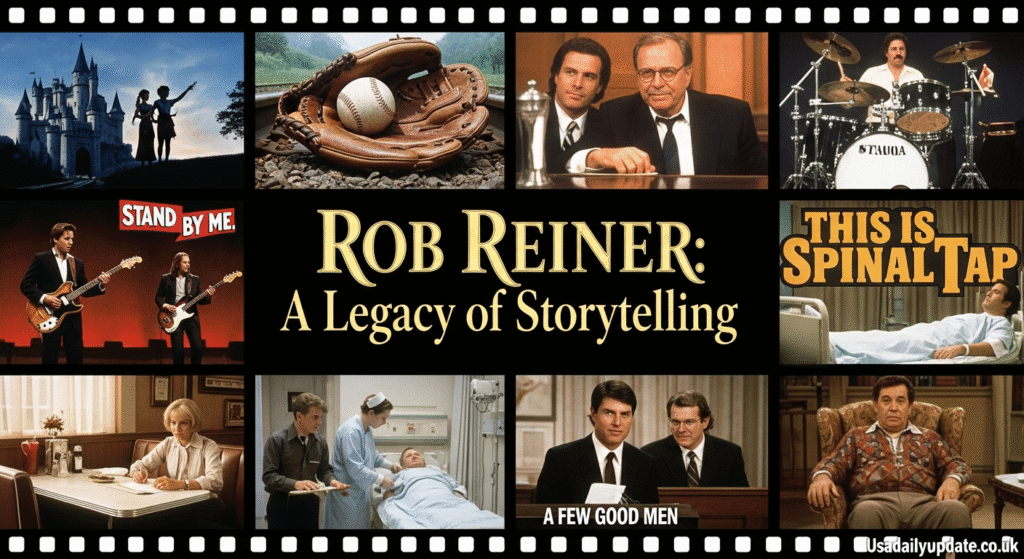
Think about the movies that shaped your childhood or defined your teenage years. Chances are, Rob Reiner had something to do with at least one of them. Whether you grew up quoting lines from The Princess Bride, crying during Stand by Me, or debating relationships after watching When Harry Met Sally, his fingerprints are all over the cultural landscape.
Rob Reiner movies and TV shows represent more than just entertainment. They’re cultural touchstones that sparked conversations, defined genres, and created moments we still reference decades later. From his early days as an actor making audiences laugh on All in the Family to his transformation into one of Hollywood’s most versatile directors, Reiner’s career spans an incredible range of achievements.
What makes his journey particularly fascinating is how he succeeded in two completely different aspects of the entertainment industry. Not many people can claim Emmy Awards for acting and then pivot to directing some of the most beloved films in cinema history. In this comprehensive guide, you’ll explore the complete spectrum of Rob Reiner movies and TV shows, understanding why his work continues resonating with audiences today and how he managed to create such an impressive legacy across multiple decades.
The Meathead Years: Rob Reiner on All in the Family
Before Rob Reiner became a household name as a director, he was simply known as Meathead. His role as Michael Stivic on All in the Family catapulted him to fame and established him as a talented comedic actor. The show premiered in 1971 and immediately changed the landscape of American television.
All in the Family tackled subjects that other sitcoms wouldn’t touch. Race, politics, religion, and social change became dinner table conversations in the Bunker household. Reiner’s character served as the liberal counterpoint to Carroll O’Connor’s conservative Archie Bunker, creating television’s most memorable ideological battles.
The chemistry between Reiner and O’Connor was electric. Their arguments felt real because both actors fully committed to their characters’ beliefs. You could sense genuine passion in their debates, which made the comedy land even harder. These weren’t just scripted lines but believable confrontations that reflected the cultural divisions of 1970s America.
Reiner appeared in 177 episodes from 1971 to 1979, earning two Emmy Awards for his performance. The show dominated ratings and became a cultural phenomenon that defined an era. His work on All in the Family gave him the credibility and financial security to pursue his true passion: directing.
The nickname Meathead stuck with Reiner long after the show ended. Even today, people of a certain generation immediately recognize him from this role. This recognition speaks to the impact All in the Family had on American culture and how perfectly Reiner embodied his character.
The Director Emerges: This Is Spinal Tap
In 1984, Rob Reiner made his directorial debut with a film that would change comedy forever. This Is Spinal Tap introduced the mockumentary format to mainstream audiences and became an instant cult classic. The film followed a fictional British rock band through a disastrous American tour.
What made Spinal Tap revolutionary was its commitment to authenticity. Reiner and his collaborators created a completely believable world where the line between fiction and reality blurred. Many viewers initially thought Spinal Tap was a real band, which testified to how convincingly they executed the concept.
The film was largely improvised, with actors creating dialogue based on character outlines and situations. This approach required exceptional directorial skill to shape improvisation into a coherent narrative. Reiner proved he could manage complex creative processes while maintaining artistic vision.
This Is Spinal Tap didn’t just launch Reiner’s directing career. It created an entirely new genre that influenced countless films and television shows. The mockumentary format became standard in comedy, from The Office to Modern Family. Every project using this style owes a debt to what Reiner accomplished.
The film also featured Reiner as an actor, playing documentary filmmaker Marty DiBergi. This dual role demonstrated his understanding of both sides of the camera. He knew what actors needed because he was one himself, giving him unique insight into the filmmaking process.
Stand by Me: A Coming of Age Masterpiece
After proving himself with comedy, Reiner showed he could handle serious dramatic material. Stand by Me, released in 1986, became one of the defining coming of age films in cinema history. Based on Stephen King’s novella “The Body,” it told the story of four boys searching for a dead body during one transformative summer.
The film captured childhood friendship with remarkable authenticity. The four young actors delivered performances that felt completely natural and unforced. Reiner’s ability to work with child actors and draw out genuine emotion became evident in every scene.
What makes Stand by Me so powerful is its honesty about growing up. The film doesn’t romanticize childhood but presents it with all its awkwardness, cruelty, and beauty. You see real friendships being tested and the painful realization that nothing stays the same forever.
The nostalgic framing device, with Richard Dreyfuss’s character remembering his childhood, adds emotional depth. This structure allows reflection on how those formative experiences shape who we become. The ending, where we learn what happened to each character, hits with unexpected emotional force.
Stand by Me grossed over $52 million domestically and received widespread critical acclaim. It established Reiner as a serious filmmaker capable of handling both comedy and drama. This versatility would become his trademark throughout his career.

The Princess Bride: A Fairy Tale for Everyone
In 1987, Rob Reiner directed what many consider his masterpiece. The Princess Bride combined fantasy, adventure, romance, and comedy into one perfect package. Based on William Goldman’s novel, the film initially struggled at the box office but found massive success on home video.
Everything about The Princess Bride works. The casting is flawless, with Cary Elwes and Robin Wright creating believable romantic leads. The supporting characters, from Mandy Patinkin’s Inigo Montoya to Wallace Shawn’s Vizzini, became instantly iconic. Each actor inhabited their role so completely that it’s impossible to imagine anyone else in those parts.
The dialogue became endlessly quotable. “Hello, my name is Inigo Montoya” and “As you wish” entered the cultural lexicon. Decades later, people still reference these lines in everyday conversation. This quotability speaks to Goldman’s brilliant screenplay and Reiner’s perfect execution.
The framing story of a grandfather reading to his sick grandson adds unexpected emotional depth. This device allows the film to be self aware without becoming cynical. It embraces fairy tale conventions while gently mocking them, creating something that works for both children and adults.
The Princess Bride’s reputation has only grown over time. It appears on countless “greatest films” lists and continues finding new generations of fans. This longevity proves that Reiner created something truly timeless, a film that transcends its era.
When Harry Met Sally: Redefining Romantic Comedy
Rob Reiner movies reached new heights with When Harry Met Sally in 1989. This romantic comedy starring Billy Crystal and Meg Ryan asked whether men and women could truly be friends. The answer played out over twelve years of on again, off again friendship.
Nora Ephron’s screenplay was sharp, witty, and emotionally honest. The conversations between Harry and Sally felt like real people talking, not actors delivering lines. Reiner’s direction allowed these dialogues to breathe, trusting that the material was strong enough to carry scenes.
The famous deli orgasm scene became one of cinema’s most memorable moments. Meg Ryan’s performance was bold and hilarious, while the punchline delivered by Reiner’s own mother became iconic. “I’ll have what she’s having” perfectly captured the scene’s comedic brilliance.
What makes When Harry Met Sally special is its understanding of relationships. The film acknowledges that timing matters, that people change, and that friendship can evolve into love. These insights feel earned rather than manufactured, giving the story genuine emotional weight.
The film was a massive commercial success, earning over $92 million domestically. It influenced romantic comedies for decades, with filmmakers trying to capture its magic. The combination of Ephron’s writing, Crystal and Ryan’s chemistry, and Reiner’s direction created lightning in a bottle.
Misery: Mastering Suspense and Horror
In 1990, Reiner proved he could tackle any genre by directing Misery, another Stephen King adaptation. This psychological thriller about a writer held captive by an obsessed fan showcased Reiner’s versatility. The film was tense, frightening, and deeply unsettling.
Kathy Bates delivered a performance for the ages as Annie Wilkes. Her ability to shift from seemingly sweet to terrifyingly violent created constant tension. Bates won the Academy Award for Best Actress, validating Reiner’s skill at directing powerful performances.
James Caan as the trapped writer Paul Sheldon matched Bates’s intensity. The dynamic between captor and captive drove the film’s psychological complexity. You understood both characters’ motivations even as the situation spiraled into nightmare territory.
The famous ankle hobbling scene became one of horror cinema’s most cringe inducing moments. Reiner filmed it with just enough suggestion to let your imagination fill in the horrific details. This restraint made the scene even more effective than graphic violence would have been.
Misery demonstrated that Rob Reiner movies could succeed in any genre. His understanding of pacing, character development, and emotional manipulation translated perfectly to thriller territory. This versatility separated him from directors who excelled in only one type of filmmaking.
A Few Good Men: Courtroom Drama Excellence
Rob Reiner’s hot streak continued with A Few Good Men in 1992. This military courtroom drama featured an all star cast including Tom Cruise, Jack Nicholson, and Demi Moore. The film explored honor, duty, and the moral complexities of military justice.
Aaron Sorkin’s screenplay crackled with sharp dialogue and moral dilemmas. The legal maneuvering and personal conflicts created constant tension. Reiner handled the ensemble cast brilliantly, ensuring every character had moments to shine.
Jack Nicholson’s “You can’t handle the truth” monologue became instantly legendary. The courtroom confrontation between Nicholson and Cruise remains one of cinema’s great dramatic moments. Reiner staged it perfectly, understanding when to move the camera and when to simply let great actors work.
A Few Good Men earned over $240 million worldwide and received four Academy Award nominations including Best Picture. The commercial and critical success cemented Reiner’s status as one of Hollywood’s top directors. He had proven he could handle comedy, drama, thriller, and now courtroom proceedings with equal skill.
The film continues being studied in law schools and quoted in popular culture. Its exploration of how far duty extends and whether following orders excuses immoral actions remains relevant. Reiner created entertainment that also provoked thought and discussion.
The Later Years: Mixed Results
After his incredible run through the early 1990s, Rob Reiner’s subsequent films received more mixed reception. Not every project achieved the critical or commercial success of his earlier masterpieces. This doesn’t diminish his overall legacy but shows the challenge of maintaining that level of excellence.
The American President in 1995 was well received, earning praise for its romantic portrayal of presidential life. Michael Douglas and Annette Bening had strong chemistry, and Aaron Sorkin’s screenplay showcased his signature rapid fire dialogue. The film served as a precursor to The West Wing.
Ghosts of Mississippi in 1996 tackled the assassination of civil rights leader Medgar Evers. The film was earnest and well intentioned but received mixed reviews. Critics felt it simplified complex racial issues, though the performances were strong.
The Story of Us in 1999 explored marriage difficulties with Bruce Willis and Michelle Pfeiffer. The film divided audiences, with some finding it insightful and others considering it melodramatic. This split reception became more common in Reiner’s later work.
Alex & Emma in 2003 was largely considered a misstep, receiving poor reviews and weak box office. The romantic comedy about a writer and his stenographer failed to capture the magic of When Harry Met Sally. Even great directors make films that don’t connect with audiences.
The Bucket List in 2007 paired Jack Nicholson and Morgan Freeman as terminally ill men seeking adventure. Despite mixed reviews, the film found commercial success and resonated with audiences. Its premise about living fully before death struck emotional chords.
Rob Reiner’s Directing Style and Approach
What makes Rob Reiner movies distinctive is his versatility and actor focused approach. His background as a performer gave him unique insight into what actors need to deliver their best work. He understood the vulnerable position of being in front of cameras.
Reiner trusts his actors and creates environments where they feel safe taking risks. This trust resulted in career defining performances from numerous actors. Kathy Bates, Billy Crystal, Meg Ryan, and many others did some of their finest work under his direction.
His genre versatility remains remarkable. Few directors can successfully make mockumentaries, coming of age dramas, fairy tales, romantic comedies, thrillers, and courtroom dramas. This range requires understanding different storytelling rhythms and tonal requirements.
Reiner’s films often explore themes of friendship, loyalty, and personal growth. Whether comedy or drama, his best work examines human relationships with honesty and insight. Characters feel like real people rather than plot devices, making emotional moments land with genuine impact.
He also demonstrates strong visual storytelling skills. While not flashy or showy, his camera placement and editing serve the story perfectly. The technique never calls attention to itself but enhances the narrative and emotional content.
Cultural Impact and Lasting Legacy
The influence of Rob Reiner movies and TV shows on popular culture cannot be overstated. His work shaped how multiple generations think about comedy, romance, and storytelling. The quotability of his films alone demonstrates their deep cultural penetration.
All in the Family changed television by proving audiences would accept controversial subjects in sitcom format. The show’s willingness to tackle racism, sexism, and political division opened doors for socially conscious comedy. Modern shows addressing serious issues owe a debt to what Reiner and his colleagues achieved.
The Princess Bride created a shared language for film lovers. Quoting lines from the film became a way to identify fellow fans and bond over shared appreciation. This kind of cultural shorthand demonstrates how deeply the film embedded itself in collective consciousness.
When Harry Met Sally influenced romantic comedies for decades. Every film about friends becoming lovers owes something to what Reiner, Ephron, Crystal, and Ryan created. The template they established for relationship comedy became standard.
The mockumentary format pioneered by This Is Spinal Tap influenced countless television shows and films. The Office, Parks and Recreation, and Modern Family all use techniques Reiner helped establish. His innovation created new possibilities for comedic storytelling.
Awards and Recognition
Rob Reiner’s career earned significant recognition though fewer major awards than you might expect. He won two Emmy Awards for his acting on All in the Family, validating his comedic talent during television’s golden age of sitcoms.
His directorial work received multiple nominations but surprisingly few wins. A Few Good Men earned four Academy Award nominations including Best Picture, though Reiner himself wasn’t nominated for directing. This omission remains one of Oscar’s more puzzling oversights.
When Harry Met Sally earned Nora Ephron an Oscar nomination for Best Original Screenplay. While Reiner didn’t receive a directing nomination, the film’s success reflected his ability to execute brilliant material. Sometimes the director’s contribution gets overlooked when other elements shine.
Misery won Kathy Bates the Academy Award for Best Actress, demonstrating Reiner’s skill at guiding performances. Directors often don’t receive credit when actors win, but those victories reflect the collaborative environment directors create.
The Directors Guild of America nominated Reiner multiple times, showing peer recognition of his technical and artistic abilities. These nominations from fellow directors often mean more than general audience awards because they represent professional acknowledgment.
Beyond formal awards, Reiner received lifetime achievement honors and retrospectives celebrating his career. Film institutions recognized his contributions to cinema history not just for individual films but for his overall impact on entertainment.
Where to Watch Rob Reiner Movies and TV Shows Today
Finding Rob Reiner movies and TV shows has become easier with streaming platforms, though availability constantly shifts. Multiple services host his most famous works, ensuring new generations can discover these classics.
The Princess Bride regularly appears on various streaming platforms and remains one of the most rewatched films. Its family friendly appeal and quotable dialogue make it perfect for repeat viewing. Physical media collectors can find special editions with commentary and behind the scenes features.
When Harry Met Sally streams on multiple platforms, introducing new audiences to its timeless relationship insights. The film’s exploration of friendship and romance feels as relevant today as in 1989. Anniversary editions provide context about the film’s creation and cultural impact.
Stand by Me’s availability on streaming services allows parents to share this coming of age story with their children. The film’s honesty about friendship and growing up transcends its 1950s setting. Many people discover it for the first time through recommendations from friends who love it.
All in the Family streams on several platforms, though finding complete series can require specific subscriptions. The show’s historical importance and comedic brilliance make it worth seeking out. Watching it provides insight into 1970s America and television’s evolution.
This Is Spinal Tap maintains cult status ensuring continued availability across formats. Special editions with cast commentary enhance appreciation for the improvisational genius. Music fans especially enjoy discovering or revisiting this mockumentary masterpiece.
Lessons from Rob Reiner’s Career
Rob Reiner’s journey offers valuable insights for anyone interested in entertainment or creative careers. His success didn’t come from luck but from talent, preparation, and willingness to take risks. Several lessons emerge from studying his path.
First, versatility matters more than specialization. Reiner succeeded because he could handle multiple genres rather than limiting himself to one type of filmmaking. This flexibility kept his career fresh and allowed him to challenge himself constantly.
Second, understanding your craft from multiple perspectives provides advantages. Reiner’s acting background gave him unique insight into directing actors. This dual knowledge made him a better filmmaker because he understood both sides of the camera.
Third, surrounding yourself with talented collaborators elevates your work. Reiner consistently worked with brilliant writers, actors, and crew members. He understood that filmmaking is collaborative and that great directors enable others to do their best work.
Fourth, taking risks sometimes leads to greatest rewards. This Is Spinal Tap was an unconventional debut that could have failed spectacularly. Instead, it launched his directing career because he committed fully to the concept.
Finally, not every project will succeed, and that’s okay. Reiner made films that didn’t work commercially or critically. What matters is the overall body of work and the willingness to keep creating despite setbacks.
Conclusion
Rob Reiner movies and TV shows represent an extraordinary career spanning acting, directing, and cultural influence. From making America laugh as Meathead to directing films that defined generations, he demonstrated rare versatility and sustained excellence. His best work remains essential viewing for anyone who loves quality entertainment.
The impact of The Princess Bride, When Harry Met Sally, Stand by Me, and his other classics extends far beyond their theatrical releases. These films continue finding new audiences who connect with their emotional truth and timeless storytelling. Reiner’s ability to create universally resonant narratives ensures his legacy endures.
While his later career produced mixed results, they don’t diminish his peak achievements. Every filmmaker faces challenges maintaining early brilliance over decades. What matters is that Reiner created multiple masterpieces that permanently enriched cinema and television.
His journey from actor to director inspires anyone considering creative career transitions. Success in one field doesn’t guarantee success in another, but talent, preparation, and persistence can overcome doubt. Reiner proved that reinvention is possible with the right combination of skill and determination.
Which Rob Reiner film means the most to you? Have you discovered new appreciation for his work as you’ve grown older? Share your favorite Reiner movies and keep celebrating one of entertainment’s true icons.
Frequently Asked Questions
What is Rob Reiner’s most famous movie?
The Princess Bride is probably Rob Reiner’s most famous movie, achieving cult classic status that continues growing. Released in 1987, it initially underperformed at theaters but became beloved through home video. The film’s quotable dialogue and perfect blend of genres made it a generational touchstone. When Harry Met Sally runs a close second for fame and cultural impact.
Did Rob Reiner act in any of his movies?
Yes, Rob Reiner appeared in several of his films, most notably as documentary filmmaker Marty DiBergi in This Is Spinal Tap. He also had small roles in other projects throughout his career. However, his primary focus shifted to directing after his success on All in the Family. His acting background significantly influenced his directorial approach.
How many movies did Rob Reiner direct?
Rob Reiner has directed approximately 20 feature films from 1984 through recent years. His most acclaimed directorial work occurred between 1984 and 1992, including This Is Spinal Tap, Stand by Me, The Princess Bride, When Harry Met Sally, Misery, and A Few Good Men. Later films showed mixed critical and commercial results.
What awards has Rob Reiner won?
Rob Reiner won two Emmy Awards for his acting role as Michael Stivic on All in the Family. Despite directing numerous acclaimed films, he hasn’t won major directing awards. Several of his films received Academy Award nominations, including A Few Good Men for Best Picture. Actors in his films won Oscars, notably Kathy Bates for Misery.
Is Rob Reiner related to Carl Reiner?
Yes, Rob Reiner is Carl Reiner’s son. Carl Reiner was a legendary comedian, actor, writer, and director known for creating The Dick Van Dyke Show and numerous comedy albums with Mel Brooks. Growing up in this entertainment family gave Rob early exposure to show business, though he had to prove himself on his own merits.
What Stephen King stories did Rob Reiner adapt?
Rob Reiner directed two Stephen King adaptations that became classics. Stand by Me (1986) was based on King’s novella “The Body” from the collection Different Seasons. Misery (1990) adapted King’s novel about a writer held captive by an obsessed fan. Both films are considered among the best Stephen King adaptations.
Why did Rob Reiner leave All in the Family?
Rob Reiner left All in the Family in 1979 after eight seasons to pursue other opportunities, particularly directing. His character Michael Stivic moved to California for a job, providing a natural exit. Reiner wanted to expand his career beyond acting and had developed interest in filmmaking. This decision proved successful with his directing debut in 1984.
What makes When Harry Met Sally so popular?
When Harry Met Sally remains popular because it honestly explores friendship and romantic relationships with wit and insight. The chemistry between Billy Crystal and Meg Ryan feels authentic and relatable. Nora Ephron’s screenplay features memorable dialogue that people still quote. The film’s central question about whether men and women can be friends continues sparking debate.
Has Rob Reiner won an Oscar?
No, Rob Reiner has never won an Academy Award despite his films receiving multiple nominations. A Few Good Men was nominated for Best Picture but didn’t win. Several actors in his films won Oscars, and his collaborators received nominations. This remains one of the Academy’s notable oversights given his significant contributions to cinema.
What is Rob Reiner doing now?
Rob Reiner continues directing films and remains active in political and social causes. His recent work includes Shock and Awe (2017) and other projects addressing contemporary issues. He’s also active on social media discussing politics and current events. While his later films receive less attention than his classics, he continues pursuing creative projects.
Also read Usadailyupdate.co.uk