Introduction
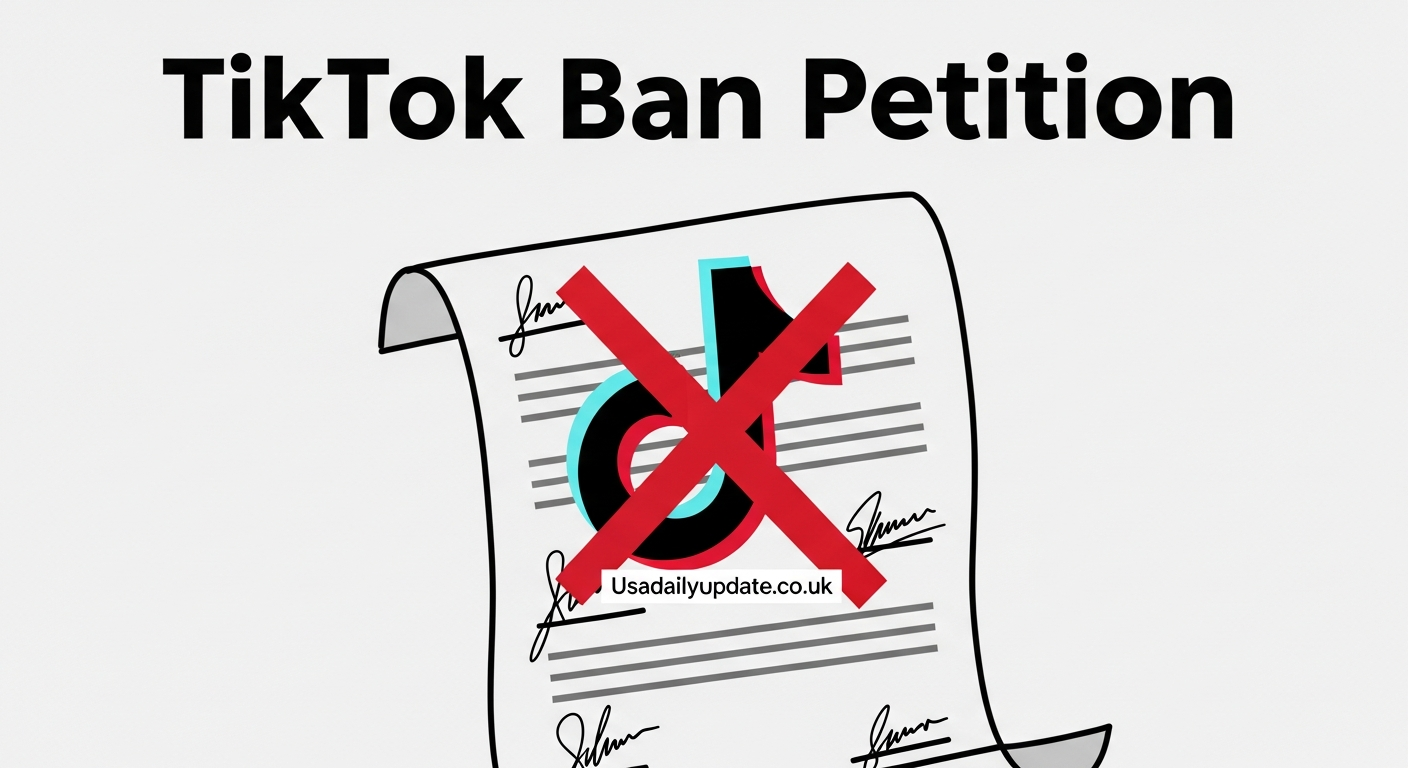
Imagine waking up one morning to find that your favorite social media app has been banned overnight. For millions of TikTok users across America, this nightmare scenario became a very real possibility. The TikTok ban petition emerged as a powerful response to government threats against the platform, gathering millions of signatures from users desperate to save their digital home.
The debate around banning TikTok has raged for years, fueled by national security concerns, privacy fears, and political tensions. When legislation threatening the app’s existence gained momentum, users mobilized quickly. The TikTok ban petition became more than just a digital signature collection. It represented voices of content creators whose livelihoods depend on the platform, small business owners who found success through viral marketing, and everyday users who simply enjoy the entertainment and community.
This article explores everything you need to know about the TikTok ban petition movement. You’ll discover why people are fighting so hard to keep the app, what arguments both sides present, how petitions have influenced the debate, and what the future holds for TikTok in America. We’ll also examine the broader implications for digital rights, free speech, and how governments regulate technology platforms. By the end, you’ll understand why this issue matters far beyond one social media app.
Understanding Why TikTok Faces a Ban
The push to ban TikTok didn’t emerge from nowhere. Multiple concerns have built over time, creating political pressure that eventually manifested in concrete legislative action. Understanding these concerns helps explain why the TikTok ban petition became necessary in the first place.
TikTok’s Chinese ownership through parent company ByteDance triggers national security worries. American lawmakers fear that the Chinese government could access user data or manipulate content to influence American public opinion. These concerns aren’t entirely theoretical, as Chinese law requires companies to cooperate with intelligence gathering when requested.
Data privacy issues extend beyond government access. TikTok collects extensive information about users including location data, browsing history, keystroke patterns, and biometric information from videos. Critics argue this data collection exceeds what’s necessary for app functionality. The question becomes whether TikTok poses unique risks compared to American social media platforms that also collect substantial user data.
Content moderation practices have drawn scrutiny from multiple angles. Some worry that TikTok censors content critical of China or promotes content favorable to Chinese interests. Others point to concerns about how the algorithm shapes what young users see. The lack of transparency around these processes fuels suspicion about hidden agendas.
Influence operations represent another fear driving ban discussions. The ability to subtly shape millions of users’ information environments gives TikTok tremendous power. Whether through algorithm adjustments or content recommendations, the platform theoretically could sway public opinion on political issues. This potential for manipulation concerns national security officials regardless of whether it’s actually happening.
The geopolitical context matters significantly. Rising tensions between the United States and China over trade, technology, and global influence make TikTok a convenient target. The app becomes a proxy in larger conflicts about technological dominance and information control. This bigger picture explains why TikTok faces scrutiny that other platforms might avoid.
The Legislative Journey Toward a Ban
Multiple legislative attempts have targeted TikTok over recent years, each increasing pressure on the platform. Understanding this timeline helps contextualize why the TikTok ban petition gained such urgency and momentum among users who saw the threat becoming real.
The Trump administration first seriously pursued a TikTok ban in 2020, issuing executive orders that would have effectively prohibited the app. These orders faced legal challenges and never fully took effect, but they established that banning TikTok was politically possible. The precedent worried users who saw government willingness to eliminate platforms.
The Biden administration took a different approach but maintained pressure. Rather than outright bans through executive action, the focus shifted toward forcing ByteDance to sell TikTok to American owners. This divestiture approach aimed to address security concerns while preserving the platform for users. However, it still threatened TikTok’s existence in its current form.
Congressional action escalated dramatically in 2023 and 2024. Bipartisan legislation gained traction, with bills advancing through committees and reaching floor votes. The most significant legislation gave ByteDance a deadline to sell TikTok or face a ban. This concrete threat with actual timelines made the danger immediate rather than hypothetical.
State level bans added additional pressure. Numerous states prohibited TikTok on government devices and networks. Some governors banned it from all devices provided to state employees. These actions, while limited in scope, demonstrated growing political consensus that TikTok posed risks requiring action.
The legal framework for these actions relies on national security authorities and foreign ownership regulations. Legislators argue that protecting Americans from foreign surveillance justifies restricting a platform owned by a company subject to Chinese law. This legal theory, if upheld, could apply to other foreign owned technology services as well.
Why Millions Signed the TikTok Ban Petition
The grassroots response to ban threats reveals deep connections between users and the platform. The TikTok ban petition attracted millions of signatures for reasons that go far beyond casual entertainment preferences. Understanding these motivations explains the passion behind the movement.
Content creators built entire careers on TikTok, often earning substantial income through the Creator Fund, brand partnerships, and driving traffic to other revenue sources. For these creators, a ban doesn’t just mean losing an app. It means losing their livelihoods. Many have families depending on TikTok income and see the platform as their primary business.
Small businesses discovered unprecedented marketing reach through TikTok’s algorithm. Unlike other platforms that require paid advertising to reach audiences, TikTok’s For You Page gives even unknown accounts chances to go viral. This democratization of attention helped small businesses compete against larger companies with bigger budgets. A ban would eliminate this crucial marketing channel.
Community connections matter tremendously to users who found belonging on TikTok. Niche communities around specific interests, identities, or experiences flourish on the platform. Users formed meaningful friendships, support networks, and shared spaces. Losing TikTok means losing these communities and connections that genuinely improve people’s lives.
The free speech argument resonates with many petition signers. They view government bans on communication platforms as censorship and overreach. Even users who understand security concerns worry about precedents where governments can eliminate platforms they dislike. This principle matters beyond TikTok specifically.
Distrust of government motivations drives some support for the TikTok ban petition. Many users suspect that banning TikTok has more to do with protecting American tech companies from competition than genuine security concerns. They point out that American platforms collect similar data without facing ban threats. This perceived hypocrisy fuels resistance.
Youth voter mobilization plays a significant role in petition signatures. TikTok’s user base skews young, and these users view the ban as older politicians misunderstanding technology and controlling what young people can access. The generational divide in perspectives on the ban makes it a political issue that could influence elections.
Arguments Against Banning TikTok
The TikTok ban petition reflects substantive arguments that challenge the necessity and wisdom of prohibiting the platform. These counterarguments deserve consideration in any fair evaluation of whether a ban makes sense.
The free speech implications concern constitutional scholars and civil liberties advocates. Banning a platform used by over 150 million Americans to express themselves, share information, and communicate raises First Amendment questions. While the government argues national security justifies restrictions, critics worry about dangerous precedents for future content control.
Data privacy advocates point out that TikTok’s data collection isn’t meaningfully different from other social media platforms. Facebook, Instagram, Twitter, and others all collect extensive user data. American companies also face government data requests. If data collection justifies banning TikTok, the same logic could apply to many platforms Americans use daily.
Economic impacts extend beyond individual creators. TikTok has become integrated into digital marketing strategies for countless businesses. The advertising ecosystem built around TikTok employs thousands of people in agencies, production companies, and related services. A ban would disrupt this entire economic sector.
The effectiveness of a ban is questionable from technical and practical perspectives. Tech savvy users can circumvent bans through VPNs and other tools. The Chinese government would still have access to data from Americans who continue using TikTok through these workarounds. Meanwhile, casual users lose access while the security problems persist.
Alternative solutions exist that could address security concerns without banning the platform. Requiring data storage on American servers, mandating transparency in content moderation, imposing strict privacy protections, and establishing oversight mechanisms could mitigate risks while preserving access. The rush to ban rather than regulate seems disproportionate to some observers.
International relations considerations complicate the ban debate. Other countries watch how America treats foreign technology companies. If the US bans Chinese apps, China and other nations might retaliate against American tech companies operating in their markets. This tit for tat escalation could harm American business interests globally.
How the TikTok Ban Petition Influenced the Debate
Petition signatures represent more than passive data points. The TikTok ban petition created tangible political pressure that influenced how lawmakers approached the issue. Understanding this influence reveals the power of grassroots mobilization in digital age politics.
The sheer number of signatures demonstrated that banning TikTok would affect a massive constituency. Politicians pay attention to millions of potential voters expressing opposition to legislation. The petition made abstract concerns concrete by showing exactly how many constituents cared about this issue intensely enough to take action.
Media coverage amplified the petition’s message far beyond the signatures themselves. News stories about petition milestones, creator testimonials, and user concerns brought the human impact of a ban into public consciousness. This coverage shifted the narrative from purely security focused to including user perspectives.
Congressional representatives faced direct pressure from petition organizers and signers. Constituent communications including emails, phone calls, and social media messages referenced petition participation. Lawmakers who might have casually supported a ban found themselves fielding angry responses from TikTok users in their districts.
The petition provided a organizing focal point for broader opposition efforts. It became a rallying cry and coordination mechanism for dispersed users who wanted to resist the ban. Petition signatures translated into attendance at protests, participation in lobbying campaigns, and voter registration drives targeting young TikTok users.
Legal challenges gained support from petition participation showing widespread public interest. Courts consider public impact when evaluating whether to issue injunctions or stays. The petition demonstrated that millions of Americans had concrete interests at stake, strengthening arguments for judicial intervention.
However, the petition’s impact had limits. National security arguments often trump popular opinion in political calculations. Many lawmakers remained unmoved by constituent opposition when they believed genuine threats existed. The petition influenced the debate without necessarily changing outcomes in all cases.
The Business Side of the TikTok Ban Debate
Beyond individual users, the TikTok ban petition reflects broader business interests caught in geopolitical crossfire. The corporate aspects of this debate reveal economic stakes that extend far beyond one company’s fate.
ByteDance faces an impossible choice between selling TikTok or losing access to the enormous American market. The company reportedly values TikTok’s US operations at over $50 billion. Forcing a sale under duress would likely mean accepting far less than fair market value. This government mandated divestiture raises questions about property rights and fair dealing.
Potential buyers for TikTok include major American tech companies and investment firms. Microsoft, Oracle, and others have expressed interest at various points. However, acquiring TikTok poses immense challenges including replicating the algorithm, maintaining user engagement, and justifying the acquisition cost. The purchase would be among the largest tech acquisitions ever.
The algorithm represents TikTok’s crown jewel and biggest obstacle to sale. ByteDance has indicated the algorithm isn’t for sale, and Chinese export controls might prohibit transferring it anyway. A TikTok without its recommendation algorithm would be far less valuable. This creates uncertainty about whether any viable sale could actually address security concerns.
Competitors stand to benefit from a TikTok ban regardless of security justifications. Instagram Reels, YouTube Shorts, and other short form video platforms would inherit TikTok’s user base and creator community. Some critics suggest these competitive dynamics drive support for the ban more than genuine security concerns. American tech companies have lobbied for TikTok restrictions.
Advertising revenue implications are substantial for both TikTok and competitors. TikTok generated billions in US advertising revenue that would redirect to other platforms. Advertisers who built TikTok expertise would need to pivot strategies. The disruption affects not just TikTok but the entire digital advertising ecosystem.
International business implications extend beyond China. How America treats foreign tech companies sets precedents that affect all international digital commerce. A protectionist approach to apps and platforms could trigger retaliation that harms American companies globally. The business community worries about this spiral even when supporting security measures.
Alternative Platforms and Where Users Might Go
If the TikTok ban becomes reality despite petition efforts, users and creators will need alternatives. Understanding the platform landscape helps anticipate how the short form video ecosystem might evolve post ban.
Instagram Reels represents the most obvious TikTok alternative, with Meta investing heavily in competing features. Reels closely mimics TikTok’s format and increasingly its algorithm approach. Many creators already cross post content to both platforms, making Reels a natural transition option. However, many users complain that Reels lacks TikTok’s discoverability and authenticity.
YouTube Shorts entered the short form video space with Google’s vast resources backing it. The platform offers monetization options and connects to creators’ existing YouTube channels. Shorts benefits from integration with longer form content but hasn’t captured TikTok’s cultural zeitgeist. The community feel differs substantially from TikTok.
Smaller platforms like Triller and Clash attempted to position themselves as TikTok alternatives but never gained significant traction. These apps lack the user base critical mass needed for engaging content ecosystems. A TikTok ban might give them second chances, though building from scratch remains challenging.
Some users might migrate toward entirely different content types and platforms. Twitch for live streaming, Discord for community building, or traditional social media might absorb different segments of TikTok’s audience. The fragmentation would mean no single platform replaces TikTok’s cultural role.
International users of banned apps often turn to VPNs and technical workarounds. While this allows continued access, it creates friction that reduces casual usage. Only the most dedicated users maintain VPN habits long term. This would significantly shrink TikTok’s effective US audience even if not eliminating it completely.
The uncertainty around alternatives explains why the TikTok ban petition matters so much to users. No existing platform perfectly replicates what TikTok offers. Losing TikTok means losing something unique that alternatives don’t adequately replace. This irreplaceability drives passionate opposition to bans.
What Happens Next for TikTok
The future remains uncertain despite years of debate and millions of TikTok ban petition signatures. Multiple possible outcomes exist, each with different implications for users, creators, and the broader digital ecosystem.
Legal challenges continue winding through courts with varying results. TikTok has sued to block ban legislation, arguing it violates constitutional rights. Courts must balance national security claims against free speech protections. These cases could take years to fully resolve, leaving TikTok in limbo during appeals.
The forced sale scenario remains possible if legislation survives legal challenges. ByteDance would need to find buyers willing to pay acceptable prices for TikTok without its algorithm. Negotiating such a complex deal under government mandated timelines presents enormous challenges. Whether a viable sale structure exists remains questionable.
Political changes could alter the equation completely. Different administrations have taken varying approaches to TikTok. Future elections might bring leaders less interested in banning the platform or more willing to accept alternative security measures. The TikTok ban petition could influence politicians to reconsider their positions.
Technological solutions might address security concerns without requiring bans or sales. Enhanced transparency measures, third party audits, data localization requirements, and oversight mechanisms could provide assurance about data handling. These middle ground approaches satisfy fewer critics but might prove politically achievable.
International negotiations between the US and China could resolve the standoff. If broader geopolitical tensions ease, TikTok might benefit from improved relations. Conversely, escalating conflicts could doom the platform regardless of petitions or legal arguments. TikTok’s fate is tied to forces much larger than the app itself.
The precedent set by TikTok’s outcome will affect other platforms facing similar scrutiny. If bans succeed, other Chinese apps might face identical pressure. If TikTok survives, it could embolden foreign tech companies to enter US markets despite political risks. The stakes extend far beyond one platform.
How to Make Your Voice Heard
If you care about the TikTok ban issue, multiple ways exist to participate beyond just signing the TikTok ban petition. Active engagement amplifies your impact and increases chances of influencing outcomes.
Contact your elected representatives directly about your position. Phone calls, emails, and letters to congressional offices get logged and reported to lawmakers. When hundreds or thousands of constituents contact offices about a single issue, representatives take notice. Personalized messages explaining your specific concerns matter more than form letters.
Participate in public comment periods when agencies request input on TikTok regulations. Federal agencies like the Committee on Foreign Investment in the United States sometimes solicit public comments. These official channels directly influence policy making and create public records that courts consider.
Support organizations fighting for digital rights and free speech online. Groups like the Electronic Frontier Foundation, American Civil Liberties Union, and others advocate for user interests. Financial contributions and membership help these organizations maintain legal challenges and lobbying efforts.
Share your story if you’re a creator or business owner affected by potential bans. Personal testimonials humanize the debate and counteract abstract security arguments. Media outlets, lawmakers, and advocacy groups all amplify compelling individual stories about how TikTok matters.
Vote based on candidates’ positions regarding technology regulation and digital rights. Politicians respond to electoral incentives. If enough voters prioritize these issues, candidates will adjust positions accordingly. Making TikTok a voting issue increases political pressure against bans.
Stay informed about developments as the situation evolves. Following reliable news sources, understanding new legislation, and tracking court cases helps you respond effectively. Informed citizens make better advocates and can counter misinformation on both sides of the debate.
Broader Implications for Digital Rights
The TikTok ban debate extends far beyond one app’s fate. The principles and precedents established will shape digital rights, platform regulation, and internet freedom for years. Understanding these broader implications helps contextualize why the TikTok ban petition matters.
Government power to ban communication platforms sets dangerous precedents regardless of TikTok’s specific circumstances. Once established that platforms can be prohibited based on national security claims, future administrations might apply this power more broadly. Today’s TikTok ban could become tomorrow’s ban on platforms carrying controversial political speech.
The balance between security and liberty is tested in these debates. Americans generally support protecting national security but also value freedom of expression and association. Where exactly the line falls between these competing interests affects not just TikTok but countless future policy decisions.
Data privacy regulations might finally advance because TikTok highlighted how much information platforms collect. The scrutiny on TikTok’s data practices could lead to comprehensive privacy laws that protect Americans regardless of which companies hold their data. This would be a positive outcome even for those supporting TikTok bans.
Foreign technology integration into American life raises questions without easy answers. Global internet means using services from many countries. Setting precedents that foreign ownership automatically disqualifies platforms from US markets could fragment the internet. The consequences would ripple through international digital commerce.
The role of petitions and grassroots movements in technology policy becomes clearer through this example. The TikTok ban petition demonstrates that regular users can influence debates previously dominated by corporations and politicians. This democratic participation in tech policy represents important civic engagement.
Conclusion
The TikTok ban petition represents far more than millions of signatures on a digital document. It embodies voices of creators protecting livelihoods, users defending communities, businesses preserving marketing channels, and citizens asserting digital rights. The movement emerged from genuine concerns about government overreach, free speech, and the precedents being set through TikTok’s treatment.
Whether you signed the TikTok ban petition or support banning the platform, understanding all perspectives enriches the debate. National security concerns deserve serious consideration even if you question whether a ban effectively addresses them. User interests matter even if security threats are real. The complexity requires nuanced thinking rather than simple solutions.
The outcome remains uncertain as legal battles continue, political landscapes shift, and negotiations proceed. The TikTok ban petition influenced this journey by demonstrating that millions of Americans oppose prohibition. Whether signatures ultimately save the platform or merely slow its demise, the petition made users’ voices heard in decisions affecting their digital lives.
What’s your position on banning TikTok? Do security concerns justify restricting access, or do free speech principles and practical impacts make prohibition wrong? However you answer, staying informed and engaged ensures your voice contributes to shaping how America handles these crucial questions about technology, rights, and security.
Frequently Asked Questions
What is the TikTok ban petition about?
The TikTok ban petition is a grassroots movement where millions of users signed documents opposing legislation that would ban TikTok in the United States. Signers include content creators who earn income from the platform, small business owners who use TikTok for marketing, and everyday users who value the app for entertainment and community. The petition aims to influence lawmakers to reconsider or vote against ban legislation.
Why does the government want to ban TikTok?
The government cites national security concerns related to TikTok’s Chinese ownership through ByteDance. Lawmakers worry the Chinese government could access American user data or manipulate content to influence public opinion. Additional concerns include extensive data collection practices, content moderation transparency, and potential influence operations. The ban push reflects broader US China geopolitical tensions over technology and information control.
How many people signed the TikTok ban petition?
Various TikTok ban petitions have collectively gathered millions of signatures, with some individual petitions exceeding one million signers. The exact numbers vary across different petition platforms including Change.org, official congressional petition systems, and grassroots campaigns. The high signature counts demonstrate substantial public opposition to banning the platform among its user base and affected creators.
Will the TikTok ban petition actually stop the ban?
The petition creates political pressure but doesn’t guarantee stopping the ban. Petitions influence lawmakers by demonstrating constituent opposition, generating media attention, and providing organizing focal points for broader advocacy efforts. However, national security arguments often outweigh public opinion in policy decisions. The petition increases chances of affecting outcomes but cannot alone prevent determined legislative or executive action.
What happens if TikTok gets banned in the US?
If banned, TikTok would be removed from app stores and internet service providers would block access. Existing installations would stop receiving updates and eventually stop functioning properly. Users would need VPNs to access the platform, significantly reducing the user base. Content creators would lose income sources. Small businesses would lose marketing channels. Users would migrate to alternative platforms like Instagram Reels or YouTube Shorts.
Can I still use TikTok if it gets banned?
Technically yes through VPNs and technical workarounds, but with significant friction and potential legal risks. VPNs mask your location, allowing access to banned apps. However, this requires technical knowledge, subscription costs, and constant maintenance. Performance might suffer. Depending on ban implementation, using VPNs to access prohibited platforms could potentially carry legal consequences, though enforcement against individual users seems unlikely.
What are alternatives to TikTok if it gets banned?
Instagram Reels and YouTube Shorts are the primary alternatives, closely mimicking TikTok’s short form video format. Other options include Triller, Clash, and Snapchat Spotlight, though these have smaller user bases. Each alternative has different strengths and weaknesses compared to TikTok. No existing platform perfectly replicates TikTok’s discoverability algorithm, community feel, and cultural impact, which drives resistance to the ban.
How does the TikTok ban affect content creators?
Content creators face potential loss of primary income sources including Creator Fund payments, brand partnerships, and traffic to other revenue streams. Many creators built entire businesses around TikTok audiences. A ban would force them to rebuild on other platforms where they might not achieve similar reach or engagement. This represents existential threats to careers and livelihoods for thousands of creators depending on the platform.
Is banning TikTok a violation of free speech?
This question is legally contested with arguments on both sides. Critics argue that banning a platform used by 150 million Americans to communicate violates First Amendment protections. The government counters that national security concerns justify restrictions and that alternatives exist for expression. Courts will ultimately decide whether bans survive constitutional challenges, balancing security claims against free speech protections.
What can I do to help prevent a TikTok ban?
Contact your congressional representatives expressing opposition to ban legislation. Sign petitions and participate in public comment periods when available. Support digital rights organizations fighting bans through legal challenges and advocacy. Share your personal story if you’re affected as a creator or business owner. Vote for candidates supporting your position on technology regulation. Stay informed about developments to respond effectively as the situation evolves.
Also Read Usadailyupdate.co.uk